Quick Information

Plan your visit

What to see inside King Ludwig’s Neuschwanstein Castle?

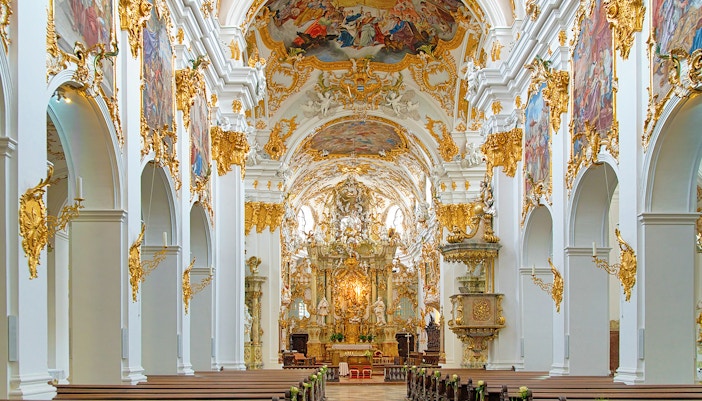
The construction of Neuschwanstein Castle began in 1869 and lasted for over 17 years, finally being completed in 1886, the year of King Ludwig II's death. The castle's interior is just as impressive as its exterior, with luxurious furnishings and decorations.
Throne Room

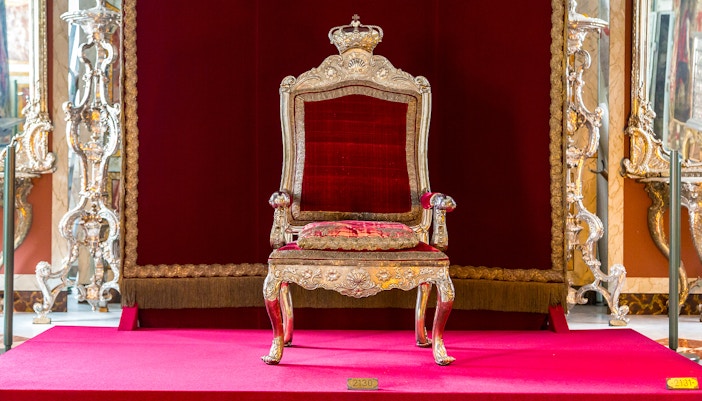
The Throne room of Neuschwanstein Castle was inspired by the Byzantine era. Stretching across the 3rd and 4th floors of the palace, this opulent hall is known for its vaulted ceilings and ceremonial chandeliers. Due to his untimely death, King Ludwig II never ruled from this throne.

Neuschwanstein Castle's interiors

Singers’ Hall

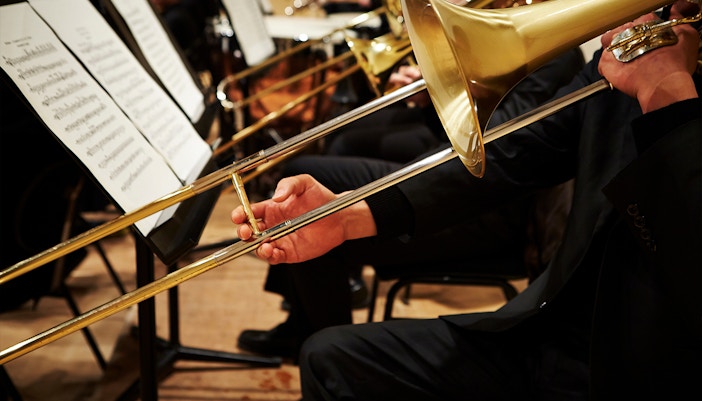
This hall was inspired by the Wagnerian operas, with lush tapestries and vibrant murals lining its walls. It offers a dramatic contrast to the Throne Room and features a stage and an orchestra pit. Although the hall was never used, it reflects Ludwig II’s love for operas.
Minstrels’ Hall

The Minstrels’ Hall showcases elements inspired by the courtly traditions of the Middle Ages when troubadours and minnesingers were in vogue in Bavaria. This room features a beamed wooden ceiling and was envisioned as a private space, where the king could enjoy musical performances.
King’s bedroom

King Ludwig II’s bedroom offers visitors a glimpse into his opulent and extravagant lifestyle. A four-poster bed is placed at the center. Lush silks adorn the walls and the ceiling is a masterpiece of stuccowork, adorned with swan motifs, playful cherubs and symbols of the monarchy.
Study room

The study room at Bavaria’s Swan Castle offers a glimpse into King Ludwig II’s intellectual pursuits. Lined with bookshelves filled with leather-bound volumes, the room provided a space for the king to delve into history, philosophy, and literature. The room features an ornately carved desk at the center.
Grottos

The Disney Castle of Munich is famous for its artificial cave system, also known as grottos. These caves, complete with waterfalls and a lake are an engineering marvel. You will be fascinated to see how around 1869, skilled workers re-created look-alikes of real caves inside a castle.
History of Neuschwanstein Castle

The Neuschwanstein Castle was built upon the ‘Mad King’ Ludwig II’s design aspirations and Wagner’s operas. While the king spent exorbitant amounts of funds to construct the castle, it remained incomplete at the time of his death. Here’s how Ludwig II came up with the Swan Castle’s design, how was the construction process, and how it functions in the present day.

  • 1867 to 1868: King Ludwig II, the ‘Mad King’ of Bavaria commissioned architect Eduard Riedel to begin designing his dream castle. He incorporated elements of German Romanticism and Wagner’s operas and envisioned re-creating a medieval fortress.
  • 1869 to 1870: The castle’s foundation was laid. The necessary infrastructure like roads and utilities were mapped out. Several workers and architects from around Bavaria were involved in the construction process. 
  • 1870 to 1884: During this period, the main structures of the Neuschwanstein Castle, including the inner courtyard, the gatehouse entrance, and several towers were constructed. The castle’s exterior had begun to take shape, with intricate detailing inspired by Richard Wagner’s operas. 
  • 1884 to 1892: The Neuschwanstein interiors were mapped out during this period. From lavish furnishings to intricate wood carvings to constructing the vaulted ceilings in the Throne Room of the Neuschwanstein Castle, several changes were made to the palace during this time. 
  • 1884 to 1886: King Ludwig II’s private quarters, including his bedroom, study room, and dining room were hastened to completion during this period. These rooms reflect the opulent and lavish lifestyle of the king. 
  • 1886 to 1892: The construction of public areas within the Ludwig Castle, like the grand hall, ballroom, and guest suites was built during this time. 
  • 1892 to 1896: The surrounding grounds of the Swan Castle were landscaped during this period. While a majority of the rooms inside the Neuschwanstein Castle were completed around 1896, Ludwig II’s untimely death and financial constraints halted the construction process. Several sections of the castle remained unfinished. 
  • 1939 to 1945: Unlike many other castles in and around Bavaria, the Neuschwanstein Castle escaped major damage during World War II, ensuring its architectural integrity. 
  • 20th century: In the decades after World War II, the Bavarian Palace department made renovations around the castle premises. The focus was to ensure that its original design remained intact while maintaining the structural stability of the castle.
  • Present day: Today, the Neuschwanstein Castle receives hundreds of visitors throughout the year and is celebrated for its architectural brilliance. The Bavarian Palace department continues to oversee conservation efforts to ensure the long-term preservation of Ludwig II’s castle. This includes ongoing maintenance, restoration projects, and visitor management strategies to protect the castle and its surrounding environment.

Neuschwanstein Castle's architecture

Who built Neuschwanstein Castle?

Who built Neuschwanstein Castle?

The Neuschwanstein Castle of Bavaria was constructed under the reign of King Ludwig II. The architectural design of this castle was primarily the work of Eduard Riedel, a relatively unknown architect at the time. Riedel's design drew inspiration from various architectural styles, including Romanesque and Gothic, as well as from the operas of Richard Wagner, whom King Ludwig II greatly admired. The castle's design was intended to evoke the romanticized ideals of chivalry and medieval lore.

While Eduard Riedel was responsible for the architectural design of the Neuschwanstein Castle, several other workers and architects contributed to its stature. Georg von Dollmann was one such notable figure, who took over the reins after Riedel departed from the project in 1884. Even after Ludwig II’s demise, the castle remained unfinished. Several rooms like the grand chapel were never realized.

Architecture of Neuschwanstein Castle

Neuschwanstein Castle

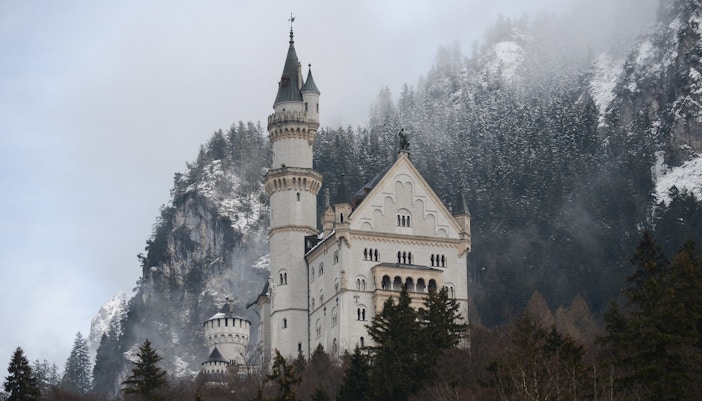
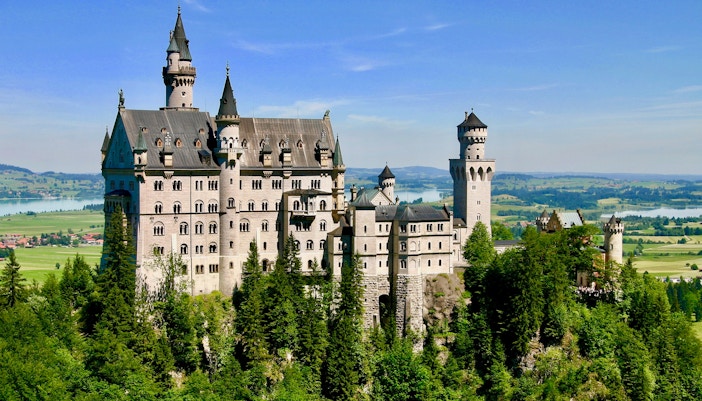
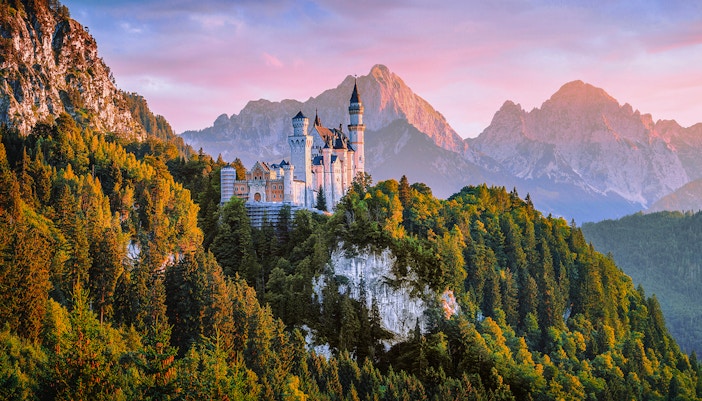
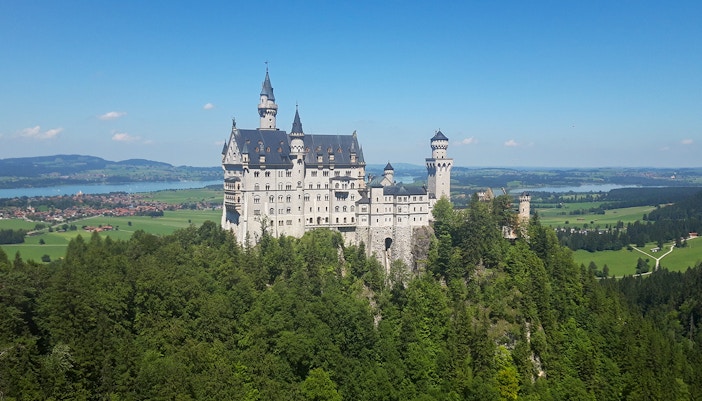
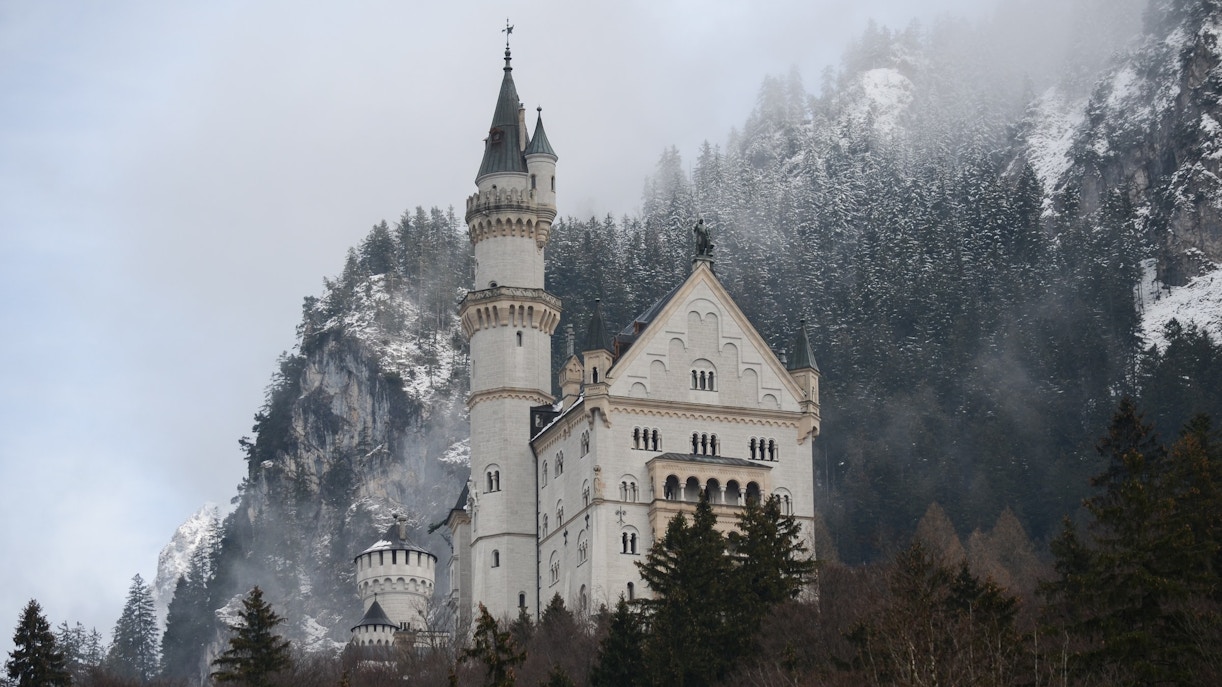
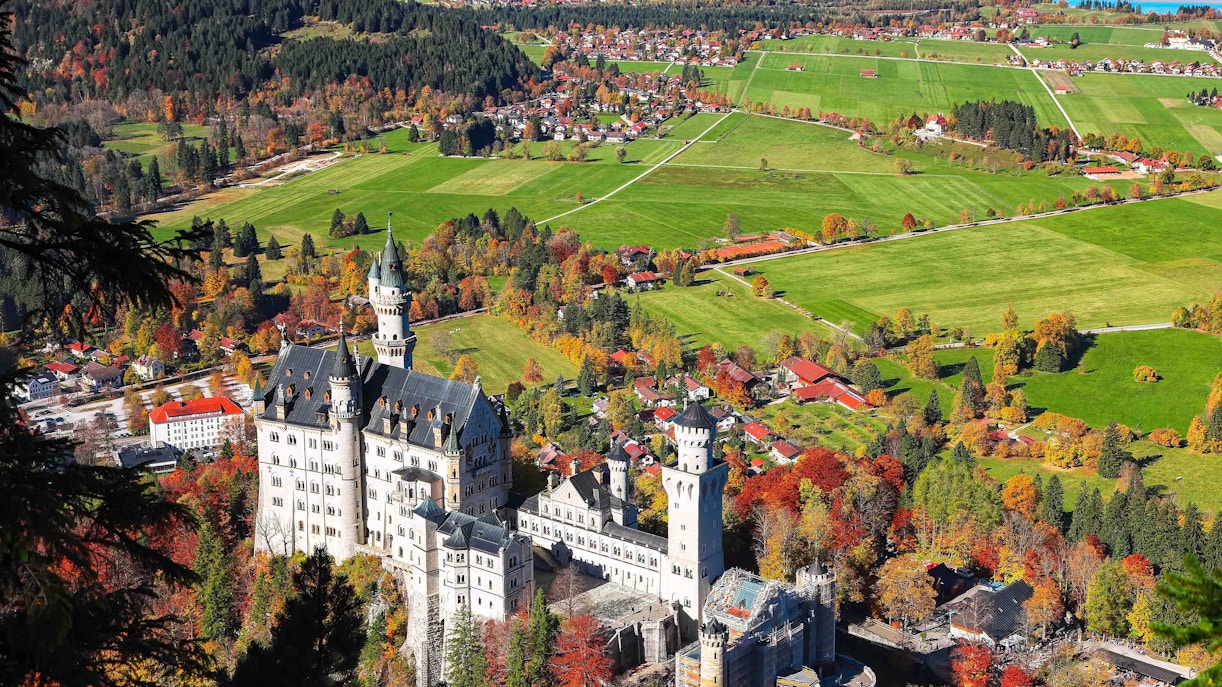
The architecture of Neuschwanstein Castle was primarily inspired by the romanticized castles of the Middle Ages, but it also incorporates elements of Byzantine, Romanesque, and Gothic styles. The castle's design evokes a feeling of fantasy, with towering spires, ornate turrets, and intricate carvings. The castle's interior is just as impressive, featuring lavish rooms decorated with murals, frescoes, and stained-glass windows.

The Disney Castle of Munich was built using the most advanced building techniques of the time, including reinforced concrete and steel frames. The castle was also equipped with central heating and a flushing toilet.

Interesting facts about Neuschwanstein Castle

Day trips from Neuschwanstein Castle

When planning a trip to the Disney Castle of Munich, look around the Hohenschwangau village and explore other castles near Neuschwanstein Castle.

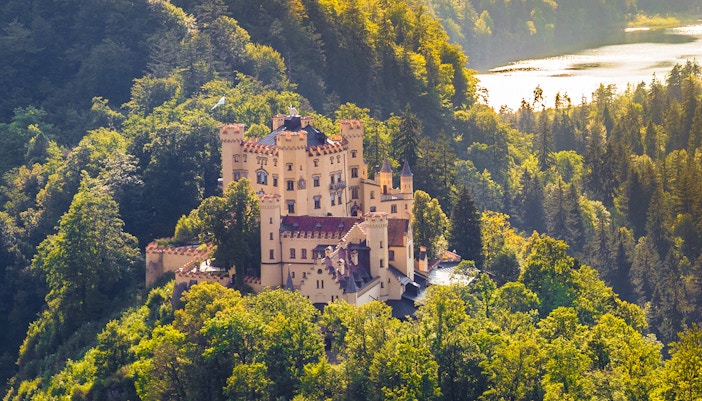
  • Hohenschwangau Castle: The Hohenschwangau Castle is a few minutes away from Neuschwanstein and was once the childhood residence of King Ludwig II. The castle’s name translated to ‘High Swan County Palace’. The Hohenschwangau Castle is popular for its romantic architectural style and its stunning location overlooking the Alpsee Lake and the surrounding mountains. Ludwig II’s father oversaw the castle’s construction, which was completed in 1837.
  • Linderhof Castle: Located near the village of Ettal, the Linderhof Palace is the smallest of Ludwig II’s commissions. However, the castle is renowned for its Rococo-style architecture, inspired by the lavish palaces of France's King Louis XIV, whom Ludwig admired. The interiors feature ornate decorations, gilded furnishings, and intricate wood carvings Like Neuschwanstein, the Linderhof Castle also served as a private retreat for Ludwig II. The castle is around an hour away from Neuschwanstein by car. 

Neuschwanstein tours from Munich

Frequently asked questions about Bavaria’s Neuschwanstein Castle

The Neuschwanstein Castle is often referred to as the ‘Swan Castle of Bavaria’ for the castle's facade and murals are filled with swan motifs. King Ludwig II was fascinated by the legend of the Swan Knight and sought to incorporate its imagery into his creation.

More reads

Neuschwanstein Castle opening hours

Book Now

Getting to the Neuschwanstein Castle

Book Now

Ludwig II's childhood residence

Book Now