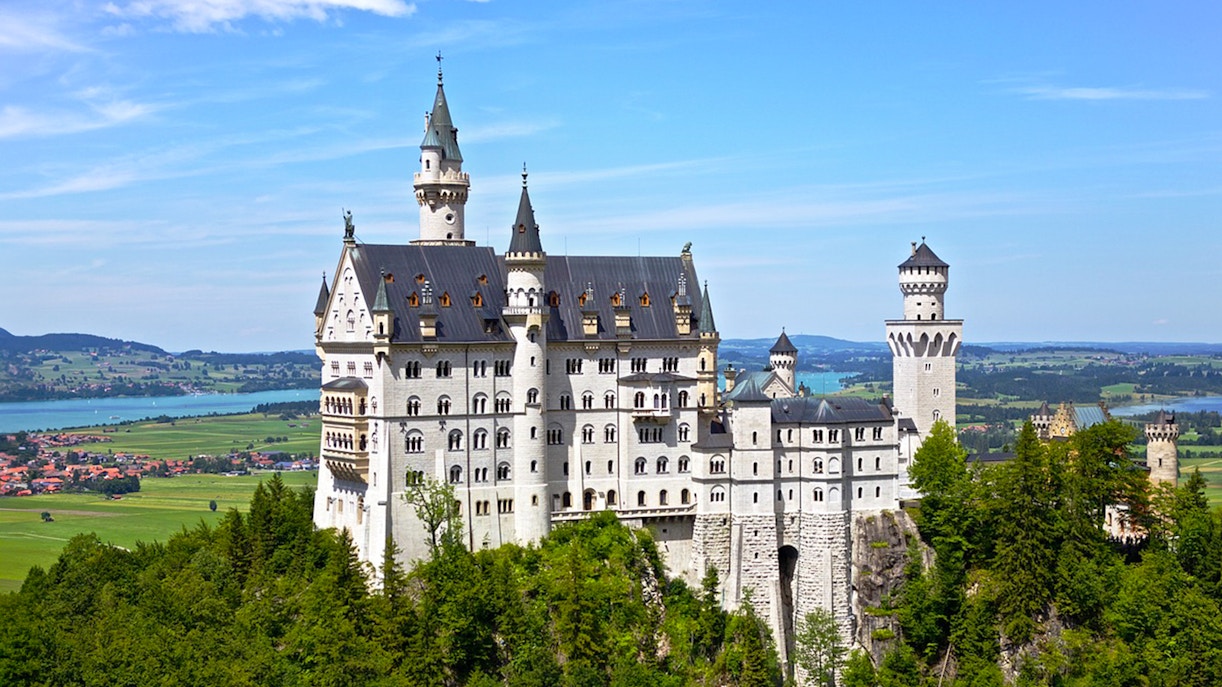
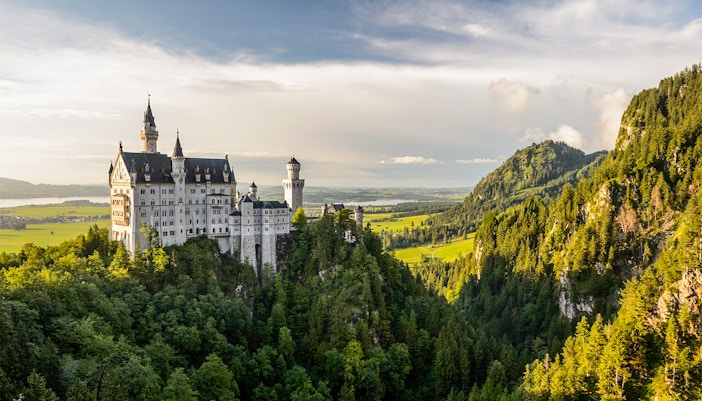
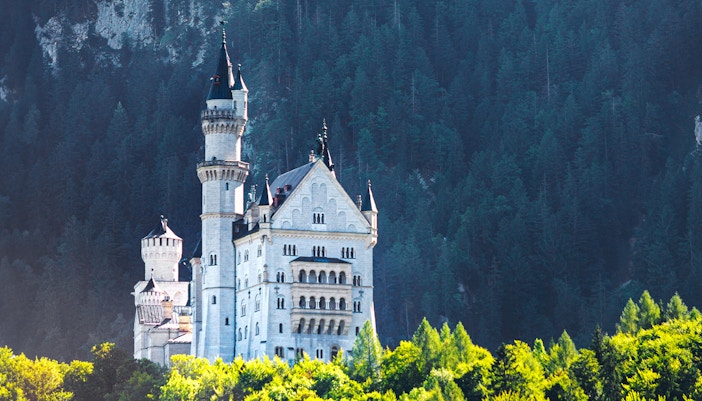
- Unparalleled views: Queen Mary's Bridge offers stunning views of the Neuschwanstein Castle. You can stand on the Marienbrucke and admire the dramatic turrets and towers and see for miles across the Bavarian countryside.
- Royal connection: Built in 1845 by King Maximilian II of Bavaria as a tribute to his wife, Queen Mary, the Neuschwanstein Castle Bridge stands as a testament to their enduring love. Walking across this bridge allows you to connect with a piece of Bavarian royal history.
- Photographic perfection: Capture frame-worthy shots of the Swan Castle perched atop a rugged cliff. Zoom in to capture intricate details of the castle's architecture, or take a wide-angle shot to encompass the bridge, the gorge, and the surrounding natural beauty.
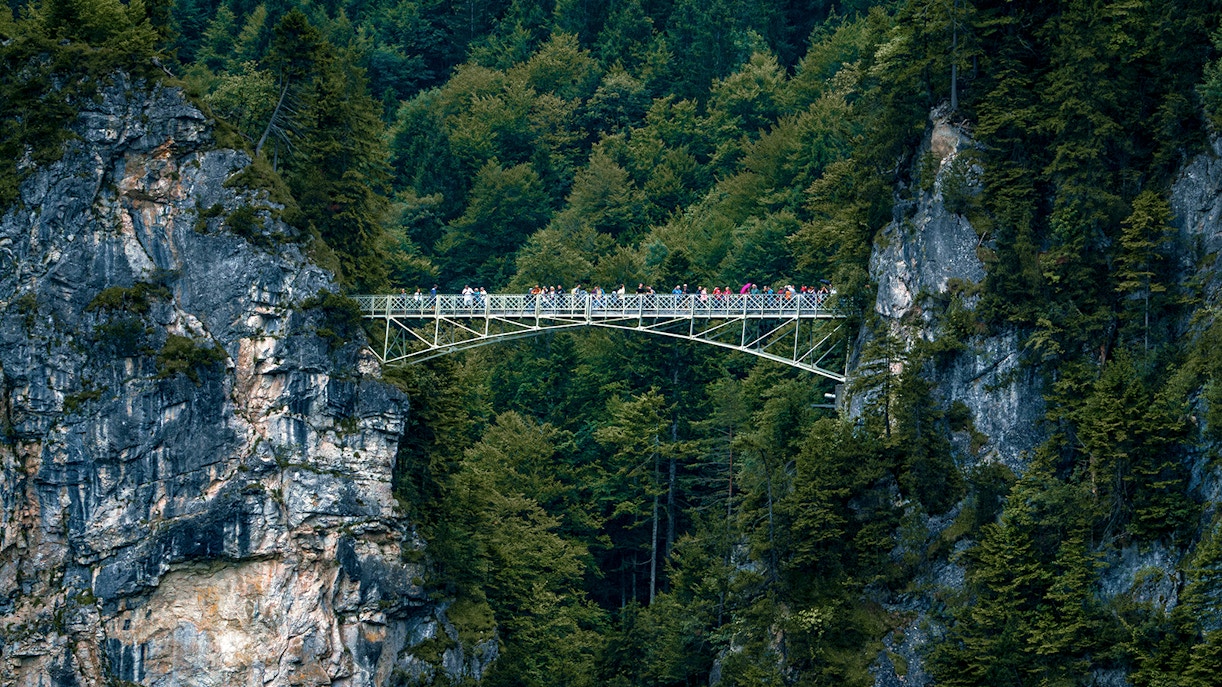
- Nature's majesty: Take in the breathtaking scenery of the Pollat Gorge, cascading below the bridge. Breathe in the fresh mountain air and soak up the panoramic views of the gorge and the Bavarian foothills beyond.
- Short & scenic walk: Enjoy a stroll across Mary's Bridge, a refreshing break from climbing to the castle itself. Depending on the kind of Neuschwanstein Castle tickets you choose, you can also rent a bike and cycle along the lush-green panorama.
Queen Mary’s Bridge (Marienbrucke) | Postcard views of Neuschwanstein Castle
Mary’s Bridge (Marienbrucke), Jewel of Neuschwanstein
The Mary's Bridge is a pedestrian marvel suspended above the Pollat Gorge, offering a postcard-perfect view of Neuschwanstein Castle. Built in 1845 by King Maximilian II of Bavaria as a tribute to his wife, Queen Mary, the bridge boasts a rich history intertwined with Bavarian royalty. More than just a bridge, It's a chance to step back in time and witness the very scenery that inspired King Ludwig II's fantastical castle.
Why visit the Marienbrucke?
Plan your visit to Mary's Bridge
The Mary's Bridge is free to access and has no set opening hours, offering flexibility for visitors.
- Weather conditions: Marienbrucke can be closed due to icy or slippery conditions, particularly during winter. Always check the latest forecast before heading out, especially if you're visiting during the colder months.
- Potential crowds: The bridge can get crowded, especially during peak tourist season. If you prefer a more serene experience, consider visiting early in the morning or later in the afternoon.
- Accessibility: The Neuschwanstein Castle Bridge involves a short walk with some incline, so be prepared for a bit of physical exertion. It's not suitable for wheelchairs or strollers.
- Safety first: Queen Mary's Bridge has a metal grate walkway, which can feel slightly slippery underfoot. Wear sturdy shoes with good grip for added safety, especially if visiting during the winter months, when it might be wet or snowy.
Address: 87645 Schwangau, Germany
- By bus: From Rathaus in Schwangau, take bus number 73, 78, 9606, or 9651 to reach the Neuschwanstein Castles bus stop. From here, you can take a brisk hike to Marienbrucke.
- Nearest stop: Schloss Neuschwanstein bus depot
- By car: Take the Münchener Street or the B17 towards Tegelbergstraße. Then take a right at Tegelbergstraße followed by a left at Pöllatweg. From here you will have to park your vehicle and walk to Marienbrucke.
- Nearest stop: Schloss Neuschwanstein bus depot
- Nearest parking: Alpseestrasee parking lot
Who built Mary's Bridge?
The Mary's Bridge, also known as Marienbrucke, owes its existence to a king's love. King Maximilian II of Bavaria commissioned the bridge in 1845 as a gift to his wife, Queen Mary. Initially built as a wooden walkway, it allowed the Queen easier access to hiking trails around Hohenschwangau Castle. The bridge is a permanent and public declaration of the King's affection for his Queen. Though rebuilt in steel in 1866 by their son, King Ludwig II, the bridge remains a charming part of Bavarian history.
History of the Neuschwanstein Castle Bridge
- 1845: King Maximilian II of Bavaria commissions a wooden footbridge named Marienbrücke (Mary's Bridge) in honor of his wife, Queen Marie, an enthusiastic hiker. This initial bridge allowed the Queen convenient access to hiking paths around Hohenschwangau Castle.
- 1866: King Ludwig II, son of Maximilian II and renowned for his fantastical castle projects, initiates a bridge reconstruction. The Marienbrucke was rebuilt using a more permanent and elegant steel structure. This coincides with the early stages of construction on Neuschwanstein Castle, hinting at the growing significance of the bridge's location.
- Engineering feat: The 1866 reconstruction employed a pioneering technique for the time. Steel cables and a flexible framework allowed for a rigid bridge construction high above the gorge, showcasing innovative engineering for the period.
- Recent developments: The bridge underwent a major restoration project in 1984, primarily focused on renewing the girders. Since then, Marienbrucke has continued to be well-maintained, ensuring its stability and safety for visitors.
- Enduring legacy: Today, the Marienbrucke remains a free-to-access landmark, offering breathtaking views of Neuschwanstein Castle and the surrounding Bavarian landscape. It serves as a testament to both royal love and innovative engineering, attracting visitors worldwide.
Highlights of Mary's Bridge
Unmatched views
The bridge's biggest draw is undoubtedly the unparalleled perspective it offers of Neuschwanstein Castle. The striking towers and turrets appear to be lifted from a children's book. It's the quintessential image of the castle, the one that has graced postcards for generations.
A royal love story
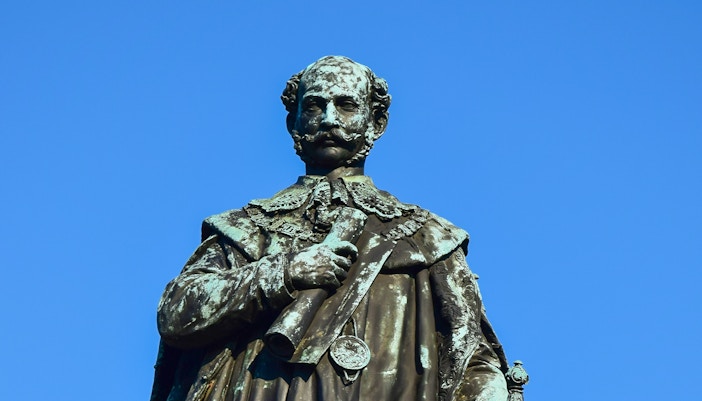
The bridge's historical significance adds another layer of intrigue. Built as a tribute to Queen Mary by King Maximilian II, it's a tangible reminder of a royal love story. Stroll through the bridge and enjoy the expansive views across the Bavarian countryside. Far beyond, you can also see the Alps.

Photo opportunities
The bridge's elevated position offers unparalleled views of Neuschwanstein Castle, making for iconic postcard-worthy shots. Capture the castle's fairytale-like facade, perched atop a rugged cliff and framed by the lush Bavarian forest. For something different, try capturing the bridge itself, with the castle as a majestic backdrop.
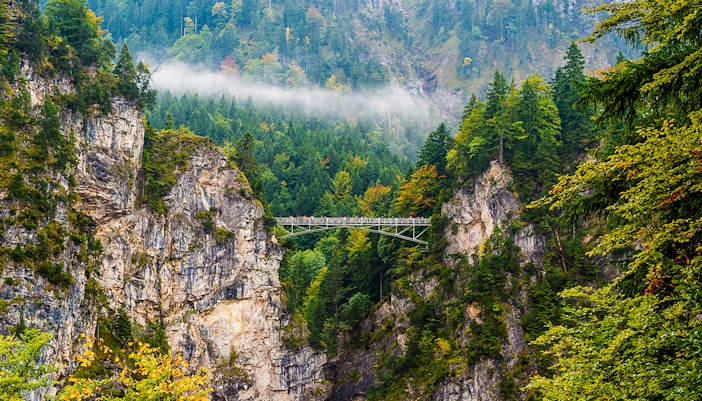
A breathtaking natural setting
Perched high above the Pollat Gorge, the Neuschwanstein Castle Bridge offers a lush panorama of rushing waterfalls and towering cliffs. As you stand on the bridge, you're enveloped by the fresh mountain air, and the world seems to shrink to just you, the bridge, and the stunning natural beauty surrounding you.
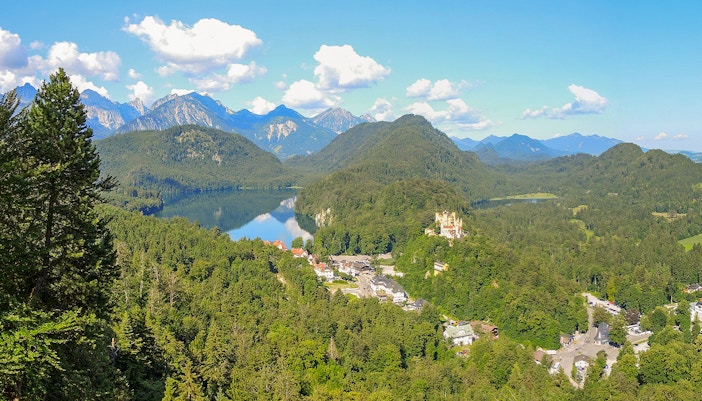
A short and beautiful hike
The walk from Neuschwanstein to Mary's Bridge is a gentle uphill climb through a lush, green forest. With every step, the iconic silhouette of the castle begins to emerge through the trees. If you do not have time for a detailed tour of Neuschwanstein, drop by Marienbrucke for stunning views.
Frequently asked questions about Queen Mary's Bridge
The Marienbrucke is primarily famous for offering stunning views of the Neuschwanstein Castle. King Maximilian II of Bavaria built this bridge to show affection for his queen, which is why it is also known as Queen Mary's Bridge.
Absolutely! The Mary's Bridge is renowned for its unparalleled view of Neuschwanstein Castle. In fact, it's the most iconic viewpoint for capturing the castle's fairytale-like appearance. Standing on the bridge, you'll have a perfect perspective of the castle perched dramatically on the Bavarian Alps.
No, you do not need any ticket to visit Mary's Bridge near Neuschwanstein Castle. It is a wooden walkway over the Pollat gorge, where you can enjoy a stroll anytime you want.
The Mary's Bridge is quite close to Neuschwanstein Castle. It's just 2 kilometers away from the castle grounds, making it a convenient stop to add to your castle visit.
King Maximilian II of Bavaria commissioned the bridge in 1845 for his wife, Queen Mary. His son, King Ludwig II, later had it rebuilt in a more permanent steel structure in 1866. The Neuschwanstein Castle Bridge is also known as Mary's Bridge in memory of the king's love for his queen.
The Queen Mary's Bridge was originally built as a wooden walkway in 1845 to provide the queen an easier access to hiking trails around Hohenschwangau Castle. The bridge is also known as Neuschwanstein Castle Bridge, for it is just 2km away from the castle grounds, and offers postcard-views of the castle.
Unlike Neuschwanstein Castle, the Mary's Bridge has no fixed opening hours and is free to access at any time. However, it may be closed due to icy or slippery conditions, particularly during winter. It's best to check the latest forecast before heading out.
The Marienbrucke is located in Schwangau, Germany, close to the fairytale-like Neuschwanstein Castle.
You can reach Mary's Bridge by taking any bus between 73, 78, 9606, or 9651 from Rathaus. Upon reaching the Schwangau bus stop, you can walk to the bridge, or hire a taxi.
Yes, Queen Mary's Bridge is a popular wooden walkway for visitors. Standing on the bridge, you can enjoy gorgeous views of the Neuschwanstein Castle, surrounded by the lush Bavarian Alps. Please note that the bridge is not wheelchair or stroller accessible due to the incline and the metal grate walkway.
.svg?auto=compress%2Cformat&w=156&h=48&q=90&crop=faces&fit=crop)

