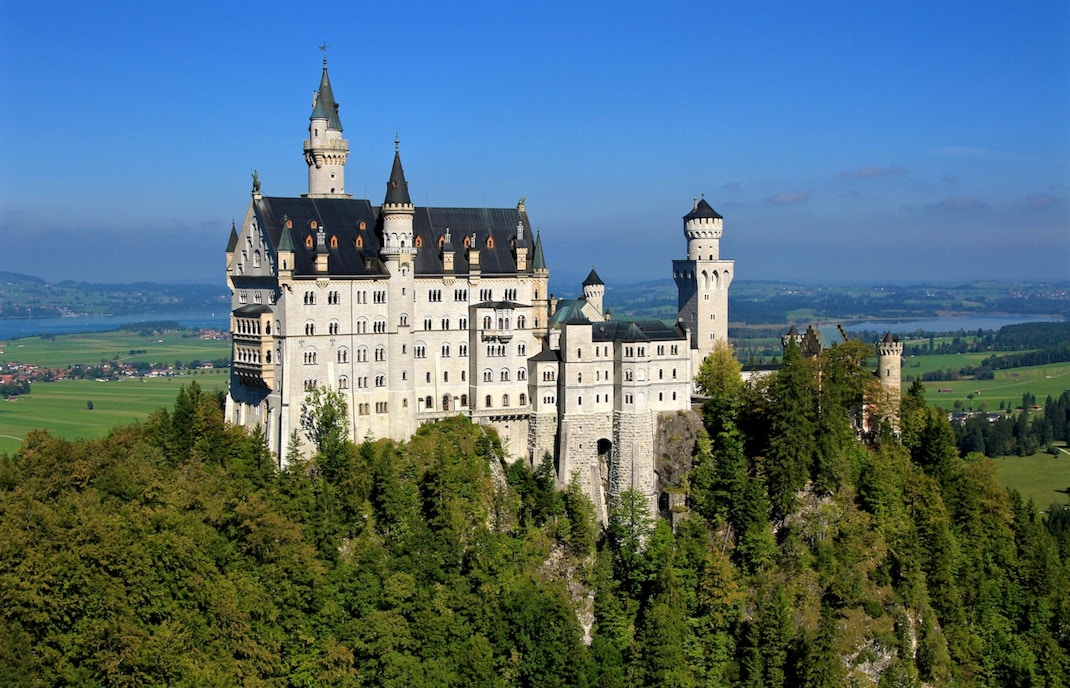
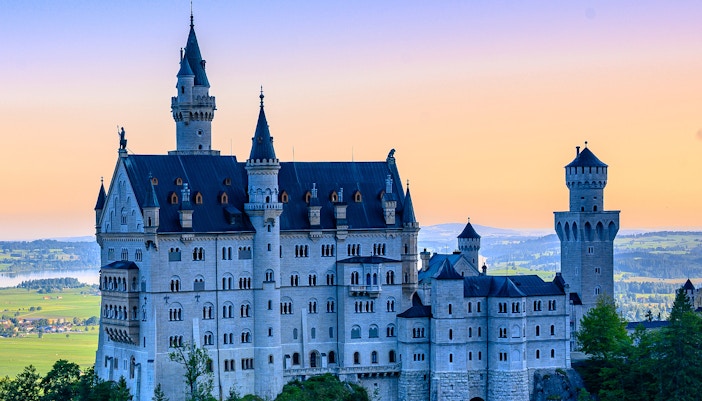
Neuschwanstein Castle was built for King Ludwig II of Bavaria, known for his obsession with medieval courtly traditions and Wagnerian operas. The construction of Neuschwanstein Castle started in 1867 and was nearly completed in 1886, almost two decades later. With the untimely demise of Ludwig II in 1886, the castle's construction was left incomplete.
10 lesser-known facts about Neuschwanstein Castle
2. King Ludwig II's private retreat
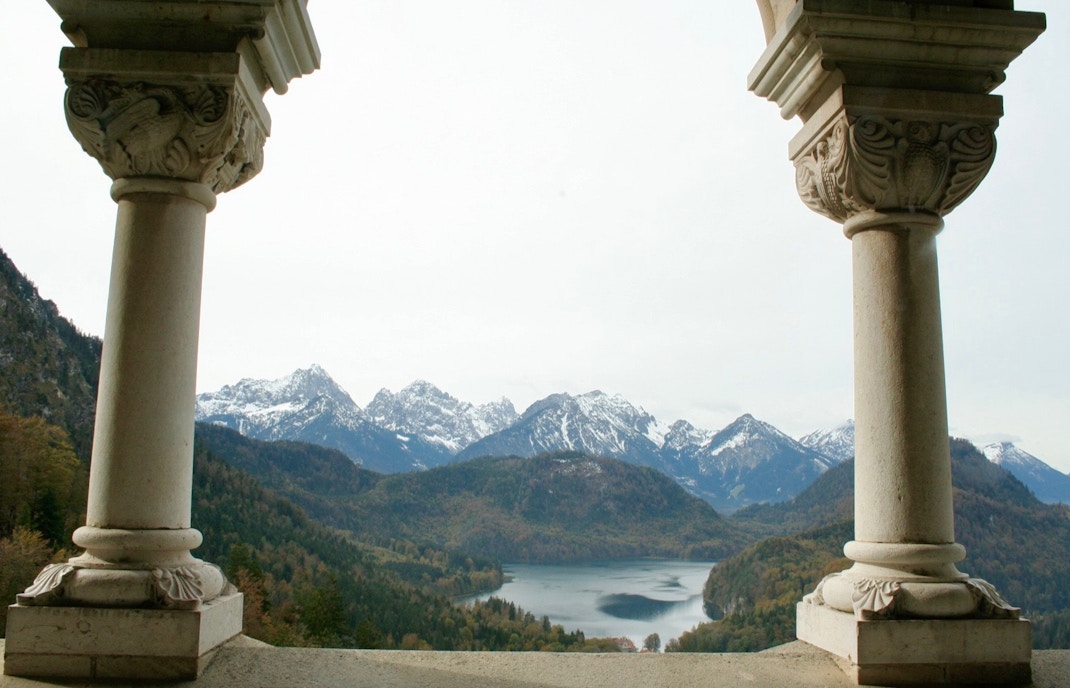
Neuschwanstein Castle was intended to be a personal retreat for King Ludwig II, who was a patron of Richard Wagner's music and often sought refuge in his world of myths and legends. Contrary to popular belief, Neuschwanstein Castle was built not with public funds but with Ludwig II's princely inheritance from his father. fortune.
3. Interiors with over 200 Rooms
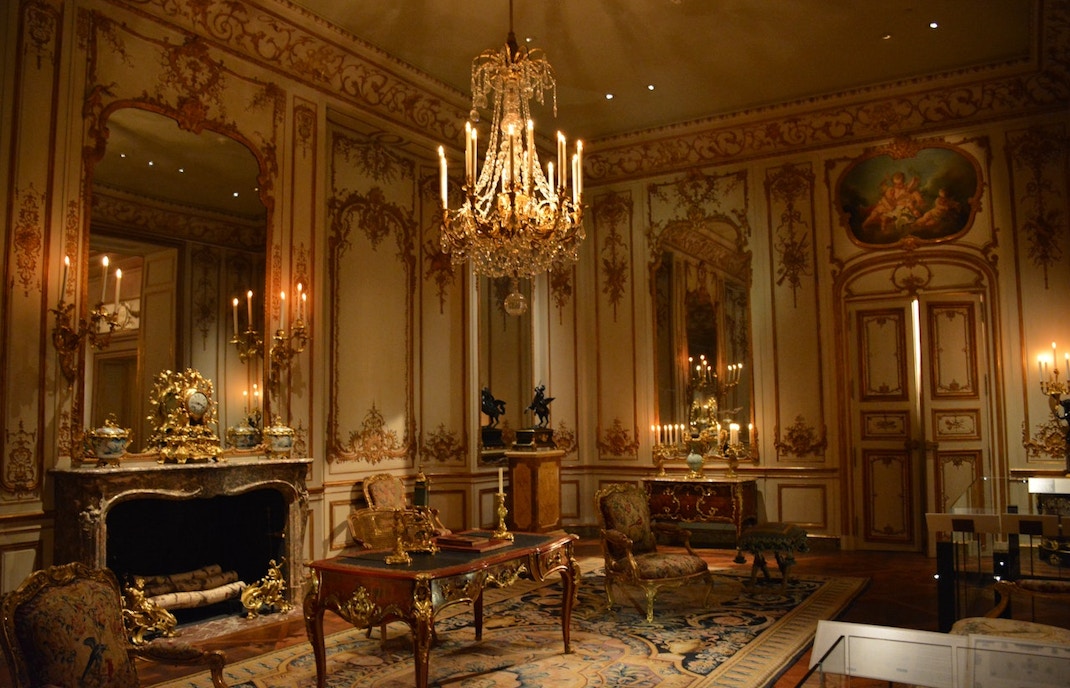
The Neuschwanstein Castle has over 200 rooms, including a Throne Room, a bedroom, a study, and an artificial cave. The Throne Room is one of the most spectacular rooms in the entire castle, adorned with intricate carvings and gilded decorations. The castle's interiors are richly decorated with ornate wood carvings, frescoes, and elaborate tapestries.

4. Built on the site of 2 former castles
The Neuschwanstein Castle stands on the ruins of 2 castles- the Veste Vorderhohenschwangau Castle and the Schwangau Castle. The former was a medieval fortress dating back to the 12th century. The Schwangau Castle was used by Ludwig II's father as a hunting lodge. In 1868, King Ludwig II ordered the demolition of their remaining ruins to make way for his grand vision, Neuschwanstein.
5. Castle with a hidden grotto
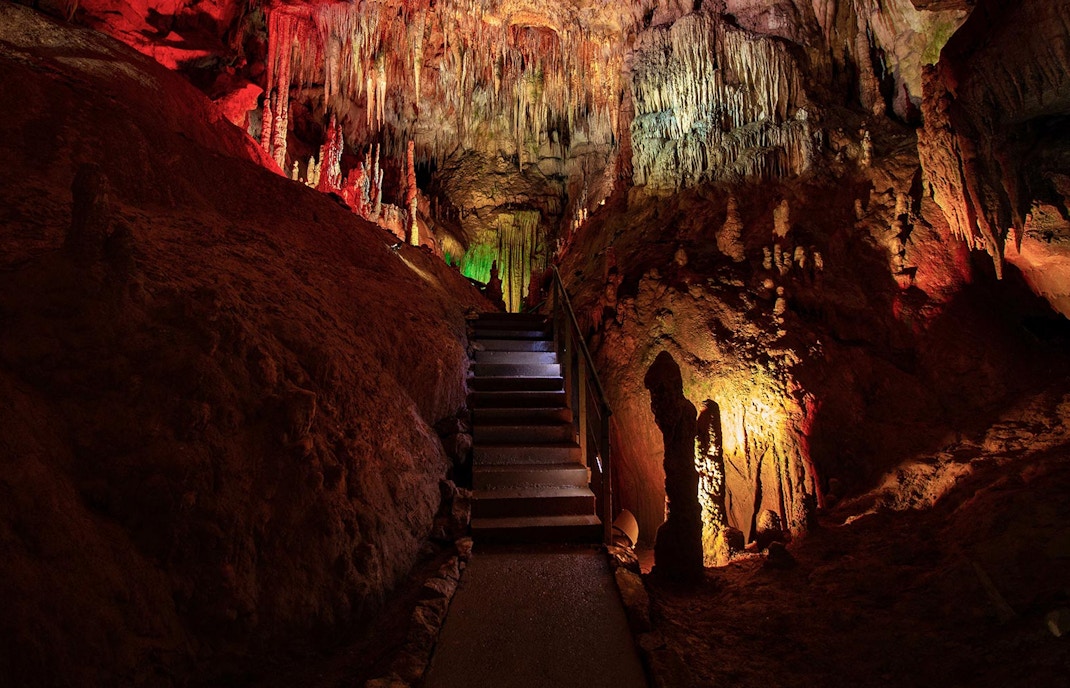
There is a hidden cavern located deep beneath the castle's foundations. King Ludwig II built this secret grotto as a private retreat where he could escape from the pressures of royal life and indulge in his artistic pursuits. Once inside the grotto, you will come across a stunning underground chamber decorated with stalactites, stalagmites, and other natural rock formations.
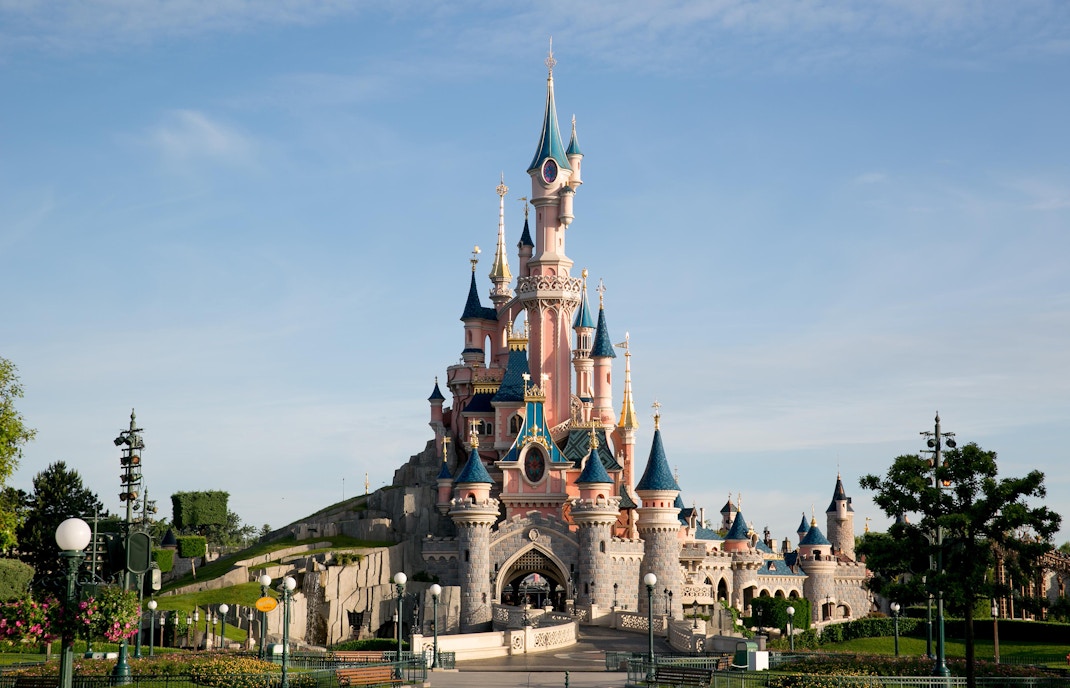
6. Inspired Disney's castle logo
Neuschwanstein Castle has significantly impacted popular culture. From 1985 to 2006, the Walt Disney Pictures logo featured a nighttime scene with a castle and fireworks. It is said that this castle along with the Sleeping Beauty Castle, situated in Disneyland, was inspired by Neuschwanstein Castle. Disney was fascinated by the castle's fairytale-like design and sought to recreate its sense of magic and wonder in his theme park.
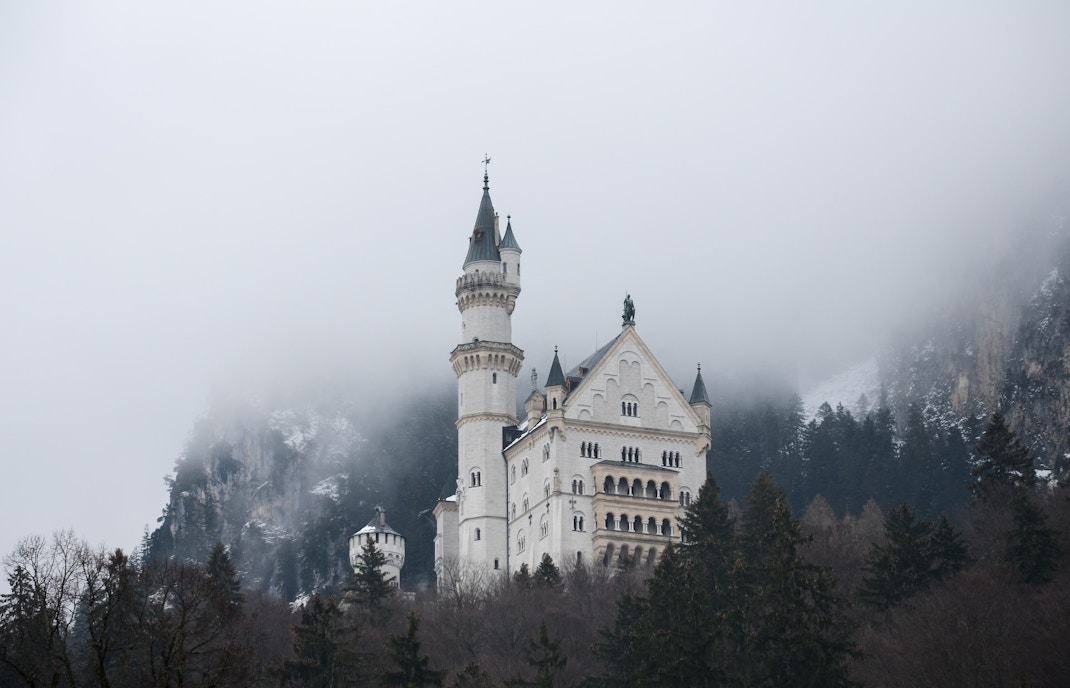
7. Known for its horror legends
Neuschwanstein Castle is said to be haunted by the ghost of King Ludwig II himself. According to legend, Ludwig's spirit is said to wander the castle halls, searching for a way to reclaim his throne. Visitors to the castle have reported feeling a strange, otherworldly presence, and some have even claimed to have seen the ghostly figure of the king himself.
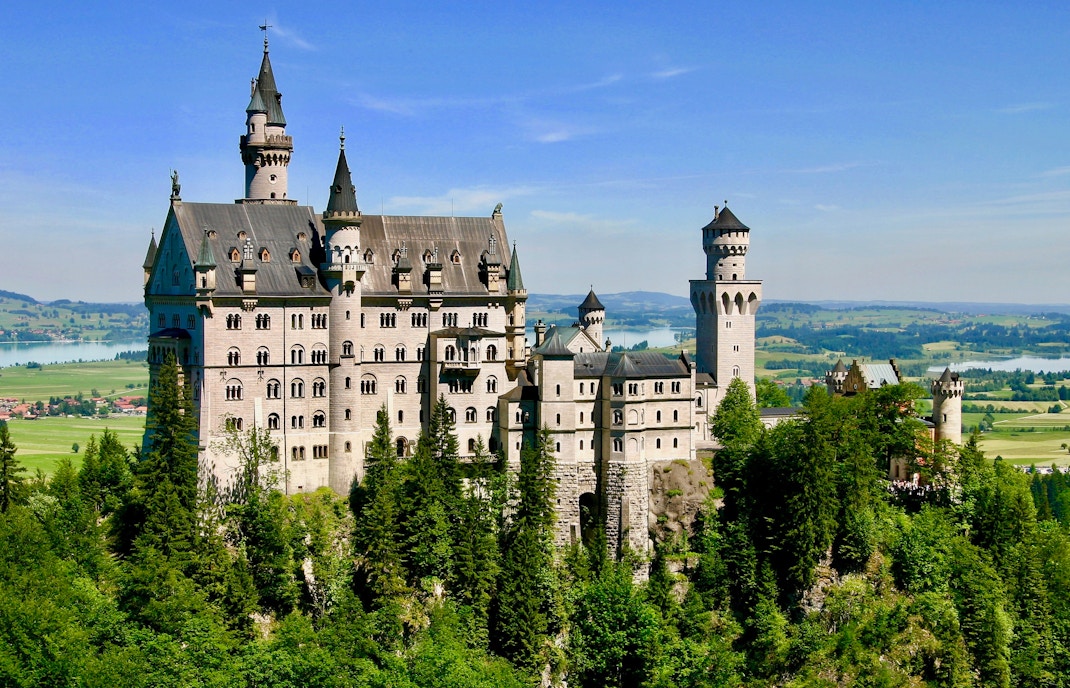
8. Also known as the 'Swan Castle'
'Neuschwanstein' translates to 'New Swan Castle' in English. The castle is named after the swan, a symbol of purity and grace in Bavarian culture. Lohengrin, one of Wagner's operas tells the story of a mysterious knight who arrives in a boat pulled by a swan. King Ludwig II was deeply impacted by this legend and incorporated the symbol into several rooms within the castle.
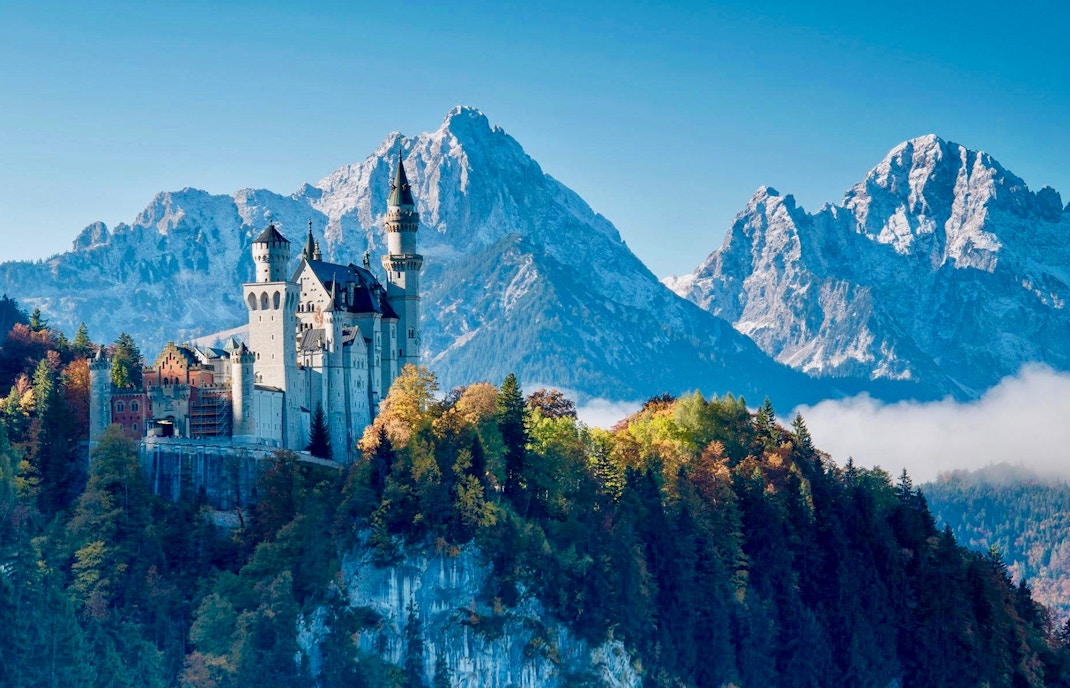
9. Built with advanced technology
Despite its medieval-inspired design, Neuschwanstein Castle was equipped with amenities that were way ahead of time. In addition to its innovative construction techniques, the castle was also equipped with a wide range of modern amenities, including central heating and a sophisticated ventilation system, which ensured the king's comfort even during the harsh Bavarian winters.
10. Served as a Nazi storage facility
The Nazi organization known as the Einsatzstab Reichsleiter Rosenberg (ERR) looted art from occupied territories, and some of these stolen works were kept at Neuschwanstein for safekeeping. The Neuschwanstein Castle was one of the many other castles, which were used as a temporary storage facility to house these treasures. Allied forces discovered these artworks in 1945 when they seized the castle territory.
.jpg?auto=format&w=702.4499999999999&h=401.4&q=90&ar=7%3A4&crop=faces&fit=crop)
.jpg?auto=format&w=702.4499999999999&h=401.4&q=90&ar=7%3A4&crop=faces&fit=crop)
.svg?auto=format&w=156&h=48&q=90&crop=faces&fit=crop)