.svg?auto=compress%2Cformat&w=156&h=48&q=90&crop=faces&fit=crop)
- 15-min walk (≈1.0 km)
- Classic postcard view over the castle and gorge
- Cost: Free
Things to do near Neuschwanstein Castle
Neuschwanstein Castle sits above Hohenschwangau in Schwangau, near Füssen in southwest Bavaria, about 2 hours from Munich. Within a 20-min walk, you can pair the castle with Marienbrücke, Alpsee, Hohenschwangau Castle, and the Museum of the Bavarian Kings. If you’re choosing a hotel near Neuschwanstein or planning a day trip around the castle, the area is compact enough to explore without guesswork.
Top things to do near Neuschwanstein Castle
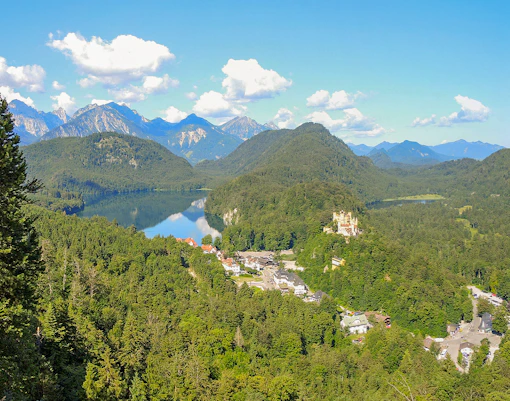
Marienbrücke
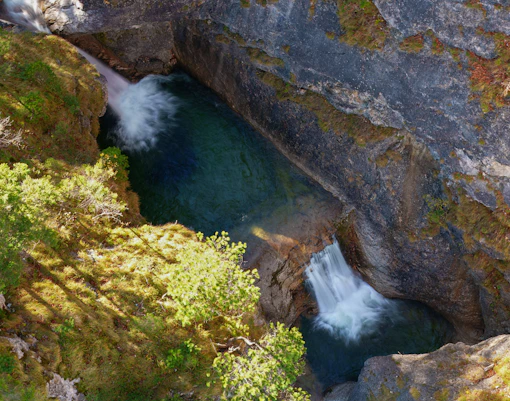
Pöllat Gorge viewpoint
- 10-min walk (≈700 m)
- Forested overlook with rushing water and cliff views
- Cost: Free
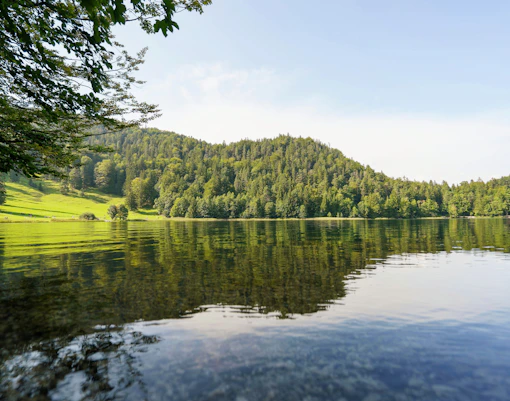
Alpsee lakeshore
- 18-min walk (≈1.3 km)
- Easy lakeside stroll with mountain reflections
- Cost: Free
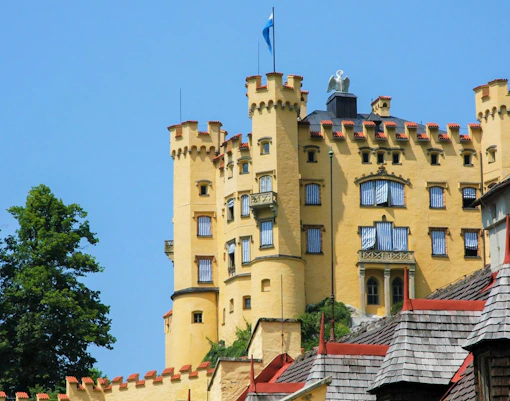
Hohenschwangau Castle
- 20-min walk (≈1.4 km)
- Ludwig II’s childhood castle with furnished royal rooms
- Cost: From €26
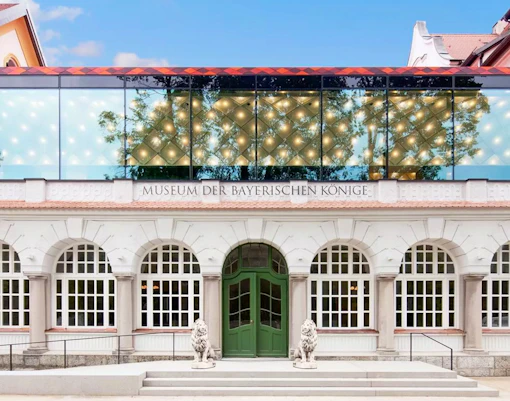
Museum of the Bavarian Kings
- 18-min walk (≈1.3 km)
- Compact museum that explains Ludwig, Bavaria, and the castles
- Cost: From €13
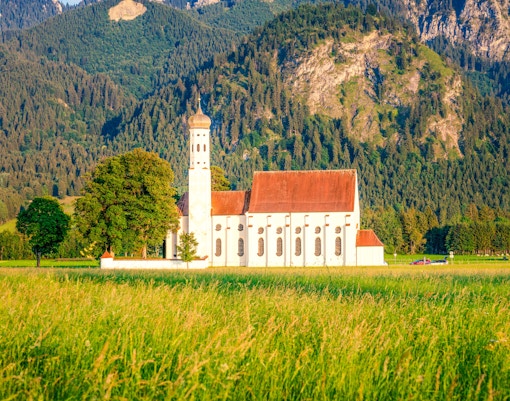
St. Coloman Church
- Short ride
- Baroque church framed by meadows and Alpine peaks
- Cost: Free
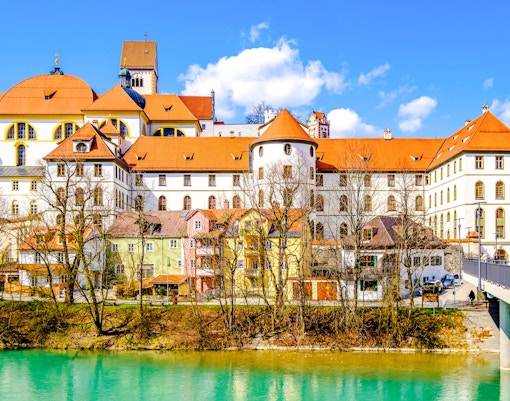
Füssen Old Town
- Short ride
- Painted facades, abbey lanes, and a better restaurant base
- Cost: Free
Landmarks near Neuschwanstein Castle
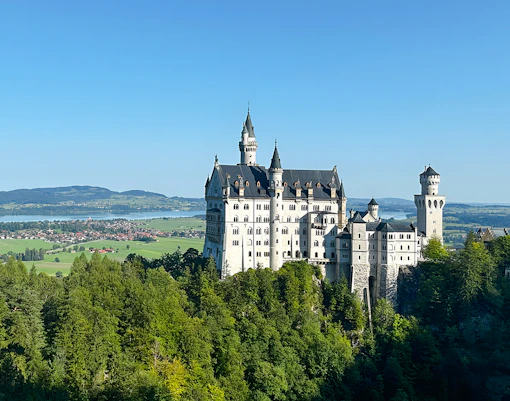
Marienbrücke
Suspended above the Pöllat Gorge, this narrow bridge delivers the defining Neuschwanstein view: towers, forested slopes, and Alpsee beyond. It’s the best nearby stop if you want a dramatic sense of the castle’s setting rather than its interiors alone.
- Distance: 15-min walk (≈1.0 km)
- Cost: Free
- Tip: Go before 10:30am or after 3:30pm for less shoulder-to-shoulder time on the bridge.
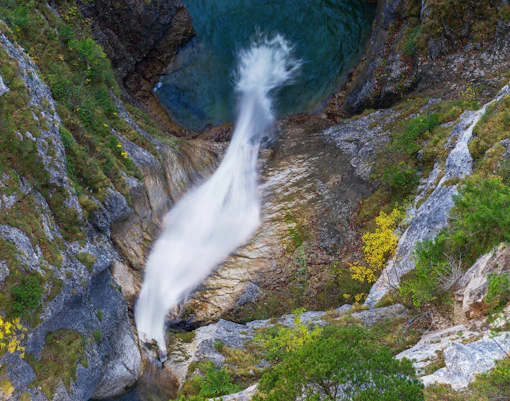
Pöllat Gorge viewpoint
Below the castle, the Pöllat stream cuts through a steep wooded ravine, adding real drama to the landscape Ludwig chose. This is where the castle feels less like a monument and more like a fantasy fortress anchored in the mountains.
- Distance: 10-min walk (≈700 m)
- Cost: Free
- Tip: After rain, the gorge is loud and photogenic, but paths can be slick, so wear shoes with grip.
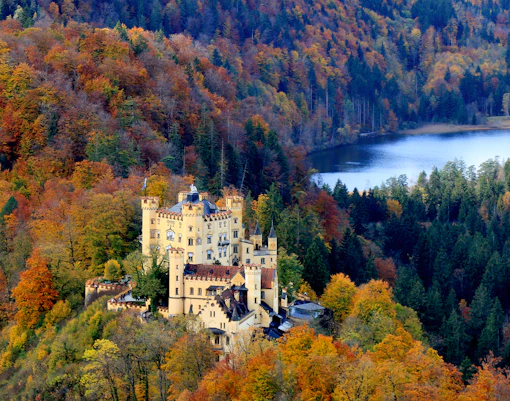
Hohenschwangau Castle
The yellow hilltop castle opposite Neuschwanstein was King Ludwig II’s childhood home, and it gives the area historical balance. Its furnished interiors feel more lived-in and grounded than Neuschwanstein’s theatrical rooms, making the pair especially rewarding together.
- Distance: 20-min walk (≈1.4 km)
- Cost: From €26
- Tip: If you’re doing both castles, schedule Hohenschwangau first so the family story lands before Ludwig’s fantasy project.
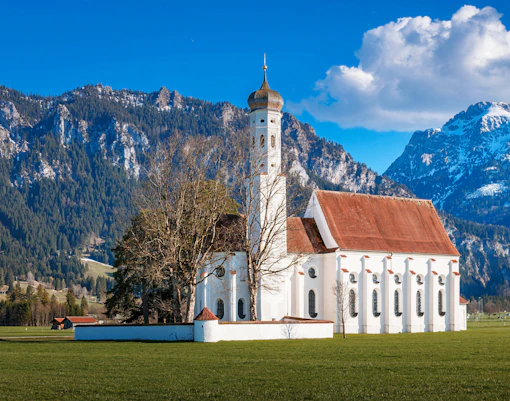
St. Coloman Church
This small Baroque pilgrimage church sits in open meadows with mountains stacked behind it, creating one of the region’s most recognizable landscape frames. It’s a favorite detour for drivers and photographers who want a calmer scene after the castle crowds.
- Distance: short ride
- Cost: Free
- Tip: Late afternoon gives you the cleanest church-and-mountain photos; mornings can be hazier over the fields.
Museums near Neuschwanstein Castle
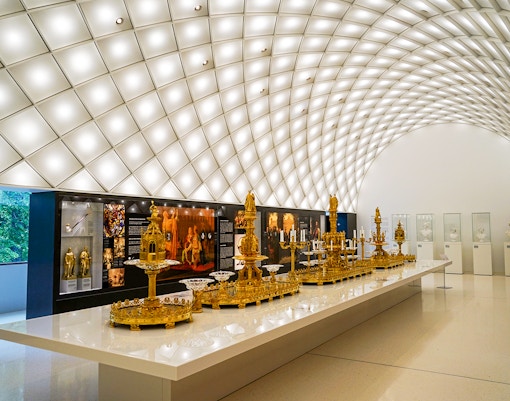
Museum of the Bavarian Kings
Right by Alpsee, this modern museum explains the Wittelsbach dynasty, Ludwig II’s life, and why Neuschwanstein exists at all. It’s the best rainy-day companion to the castle because it gives context that the quick interior tour can’t fully cover.
- Distance: 18-min walk (≈1.3 km)
- Cost: From €13
- Tip: Visit after your castle slot, when the family timeline and model displays make much more immediate sense.
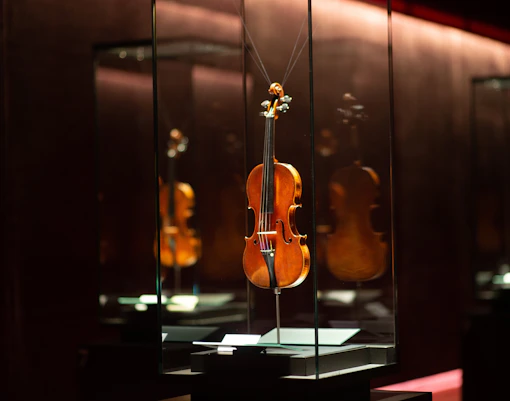
Museum of Füssen
Set in the former St. Mang monastery, this town museum covers local history, violin making, and the wider cultural world of the Allgäu. It’s a smart second stop if you’re overnighting in Füssen and want substance beyond pretty streets.
- Distance: short ride
- Cost: From €6
- Tip: Pair it with a slow walk through Füssen’s center; the museum works best as part of an evening or next-morning plan.
State Gallery in the High Castle
Inside Füssen’s hilltop High Castle, this small branch gallery adds late Gothic and Swabian art to your day. It’s not huge, but the setting and views make it worthwhile if you enjoy quieter museums with strong regional character.
- Distance: short ride
- Cost: From €6
- Tip: Go when you’re already in Füssen rather than as a separate trip; the castle setting is part of the appeal.
St. Mang Abbey collections
The former Benedictine abbey complex folds together museum rooms, historic interiors, and layers of local religious history. It’s a calmer cultural counterpoint to Neuschwanstein’s spectacle, especially for travelers who prefer context, craftsmanship, and smaller-scale spaces.
- Distance: short ride
- Cost: From €6
- Tip: This works especially well on a second day, when you’re no longer rushing around a timed castle entry.
Where to eat & drink near Neuschwanstein Castle

Schlossrestaurant Neuschwanstein
Traditional Bavarian restaurant with large dining rooms and terrace seating near the castle approach, making it a sensible stop before walking down. Expect hearty regional staples rather than fine dining, with a steady stream of day-trippers and tour groups.
- Distance: 10-min walk (≈800 m)
- Cost: From €18 per person
- Highlight: Go for Käsespätzle or roast pork if you want a filling meal before the downhill return.
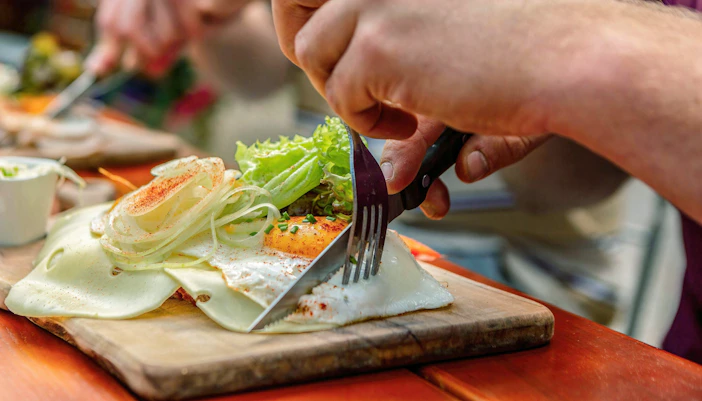
Hotel Müller Restaurant
Upscale Bavarian hotel restaurant with polished indoor seating and castle-area convenience, popular with overnight guests and couples who want a calmer meal than the busier group-focused spots nearby. It’s a good fit for a slower lunch or early dinner.
- Distance: 18-min walk (≈1.4 km)
- Cost: From €25 per person
- Highlight: Reserve ahead if you want a terrace table; those quieter outdoor seats disappear first on clear days.
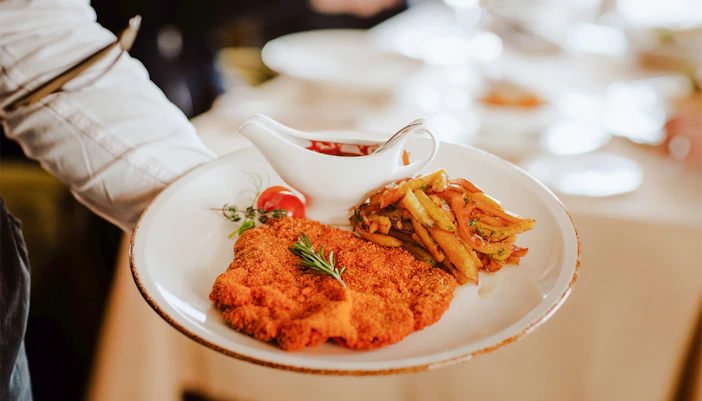
Alpenstuben Hohenschwangau
Cozy regional restaurant with chalet-style interiors and family-friendly seating in the village below the castle. It’s a reliable post-visit stop for Allgäu classics and works especially well if you’re waiting for a later bus back to Füssen.
- Distance: 19-min walk (≈1.5 km)
- Cost: From €20 per person
- Highlight: Try the schnitzel or Allgäu cheese dishes, which fit the mountain setting better than lighter café fare.
Budget-friendly things to do around Neuschwanstein Castle
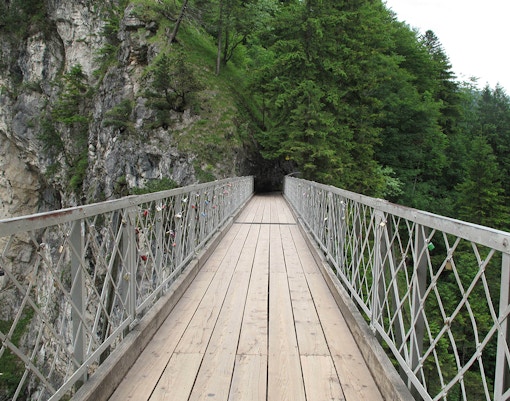
Marienbrücke
This famous bridge gives you the signature Neuschwanstein photo without spending more on an extra attraction. The view combines the castle, the ravine, and the lakes below, which is why so many visitors remember it as the real highlight.
- Distance: 15-min walk (≈1.0 km)
- Cost: Free
- Budget tip: Go early and bring water; kiosk prices near the ticket center are higher than in Füssen.
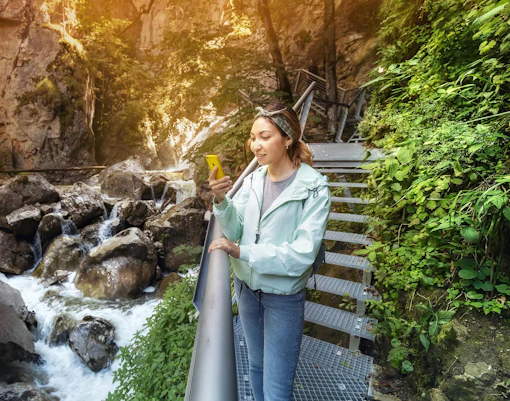
Pöllat Gorge path
The wooded path around the gorge adds waterfalls, cliff edges, and a more rugged Alpine feel to your day, all without another ticket. It’s one of the best ways to make a castle visit feel like a landscape outing too.
- Distance: 10-min walk (≈700 m)
- Cost: Free
- Budget tip: If the bridge is crowded, spend your photo time here instead for a quieter, zero-cost alternative.
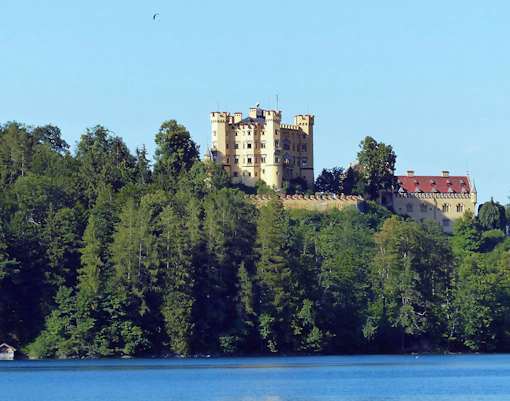
Alpsee lakeshore
The lake below Hohenschwangau is the area’s easiest free reset: still water, mountain reflections, and enough space to step out of the tourist flow. It works especially well before a late castle slot or after the interior tour ends.
- Distance: 18-min walk (≈1.3 km)
- Cost: Free
- Budget tip: Pack picnic supplies in Füssen, where you’ll find more choice and lower prices than at the castle base.
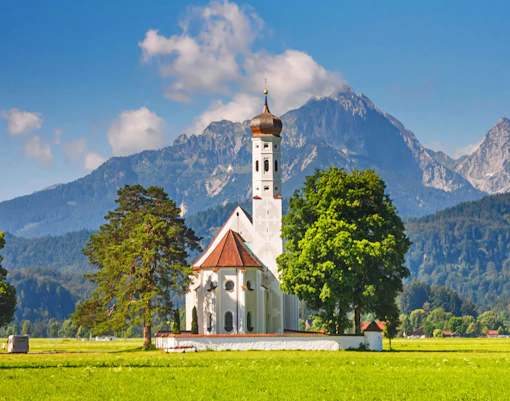
St. Coloman Church
If you’re driving, this quick detour rewards you with open meadows, a classic Bavarian church silhouette, and one of the region’s quietest photo stops. It feels far removed from the ticket lines despite being close to the castle cluster.
- Distance: short ride
- Cost: Free
- Budget tip: Stop on the way in or out rather than paying twice for parking closer to the main castle zone.
Gardens and parks near Neuschwanstein Castle
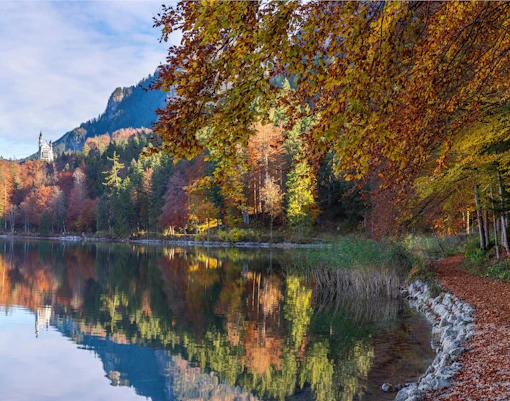
Alpsee lakeshore
This mountain lake edge isn’t a formal park, but it functions like the area’s best green pause, with walking paths, benches, and broad views back toward the wooded slopes below the castles. It’s ideal when you need air after timed entry queues.
- Distance: 18-min walk (≈1.3 km)
- Cost: Free
- Highlight: The shore closest to Hohenschwangau is best for a short lakeside break without committing to a full loop walk.
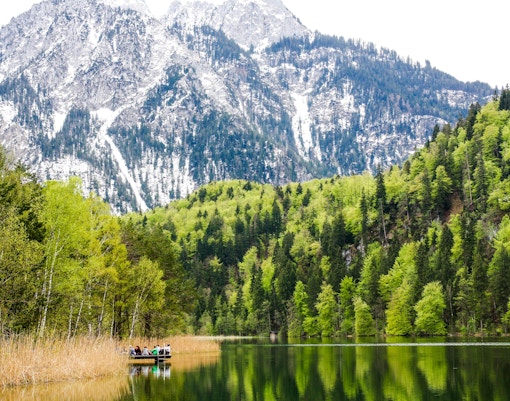
Schwansee Park
Closer to Schwangau than the castle hill itself, this gentler green area is built around flat walking paths, open lawns, and quiet lake scenery. It’s a calmer alternative if Alpsee feels too busy or if you’re staying outside Hohenschwangau.
- Distance: short ride
- Cost: Free
- Highlight: This is the better choice for a slower stroll, especially if someone in your group wants less climbing and fewer crowds.
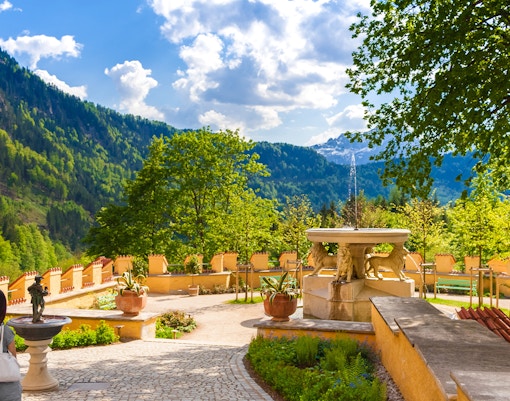
Hohenschwangau castle grounds
The landscaped grounds around Hohenschwangau soften the area’s steep terrain with courtyards, tree cover, and attractive viewpoints down toward the lake. Even if you skip the interior, the surroundings make a worthwhile stop between the two castles.
- Distance: 20-min walk (≈1.4 km)
- Cost: Free to walk grounds; castle entry from €26
- Highlight: Use the grounds as your recovery stop after Neuschwanstein’s uphill route rather than rushing straight to the bus.
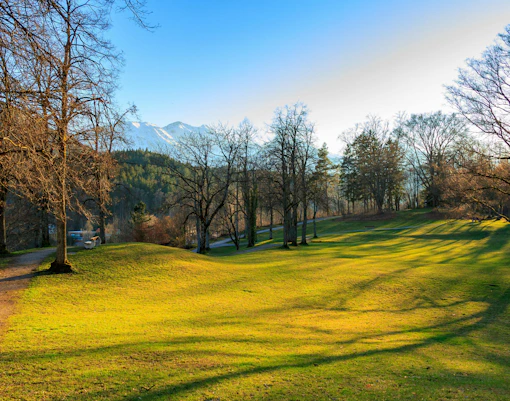
Kurpark Füssen
If you’re staying overnight in Füssen, this local park gives you flatter paths, more benches, and a quieter evening setting than the castle area. It’s not dramatic like Alpsee, but it’s much easier for a casual stretch or children’s downtime.
- Distance: short ride
- Cost: Free
- Highlight: This works best at the end of the day, once you’ve left the castle zone and settled into town.
Public squares, streets, and more near Neuschwanstein Castle
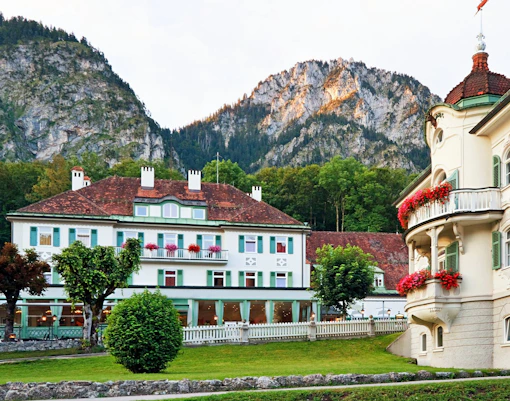
Hohenschwangau village lanes
The compact lanes below the castles are lined with chalet-style hotels, souvenir shops, and mountain-facing terraces. They’re touristy, yes, but also practical, because this is where castle logistics, buses, and lake access all come together.
- Distance: 18-min walk (≈1.3 km)
- Cost: Free
- Highlight: Walk the village slowly after your tour; the best late-day castle silhouettes appear as the hill empties out above.
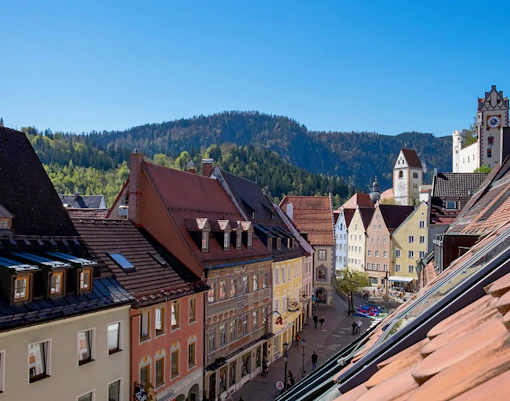
Füssen Old Town
Füssen’s pastel facades, arcades, and abbey-linked streets feel older, livelier, and more local than Hohenschwangau’s visitor zone. It’s the strongest nearby town walk if you’re staying overnight and want restaurants, shops, and a real evening atmosphere.
- Distance: short ride
- Cost: Free
- Highlight: Head uphill toward the High Castle quarter for the most photogenic rooftops and painted walls.
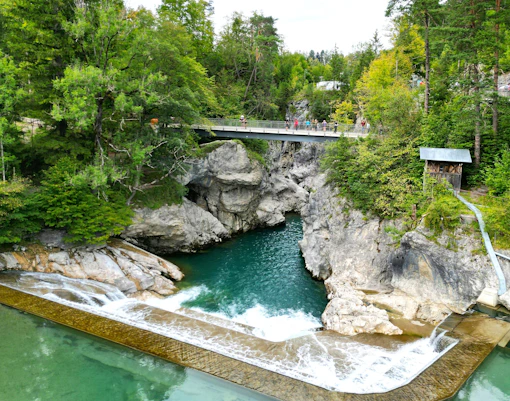
Lechfall footbridge
This low bridge and waterfall edge near Füssen turn the Lech River into a quick scenic stop with sound, movement, and rocky drama. It’s a good contrast to the castle’s polished fantasy and works well before driving back to Munich.
- Distance: short ride
- Cost: Free
- Highlight: After rain, the water looks strongest; combine it with Füssen rather than making a separate trip.
Marienbrücke approach path
The wooded path to the bridge matters almost as much as the bridge itself, because it gradually reveals the valley and height beneath you. It’s the best public route nearby for building suspense before the castle’s signature viewpoint appears.
- Distance: 15-min walk (≈1.0 km)
- Cost: Free
- Highlight: Pause before the final bridge entrance for a steadier photo if the bridge deck itself feels too crowded.
Adventure/Outdoor activities near Neuschwanstein Castle
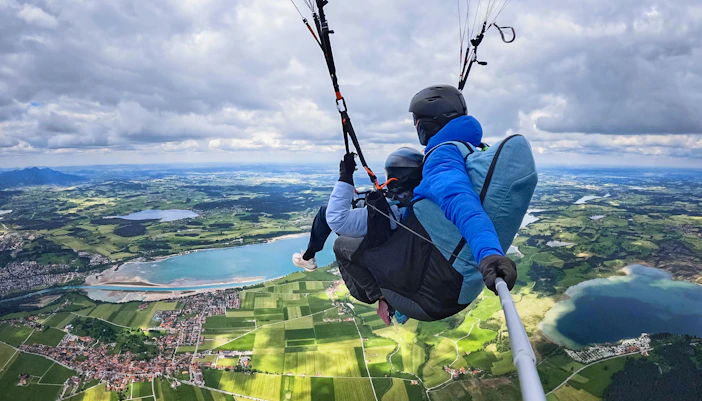
Tandem paragliding from Tegelberg
Paragliding above Schwangau turns the castle visit into an alpine adventure, with the lakes, foothills, and castle zone spread out below. It’s a natural fit if Neuschwanstein is just one part of a longer Allgäu day outdoors.
- Distance: 10-min drive
- Cost: From €130
- Highlight: No prior experience is needed, but weather decides everything; build flexibility into your day for wind-related changes.
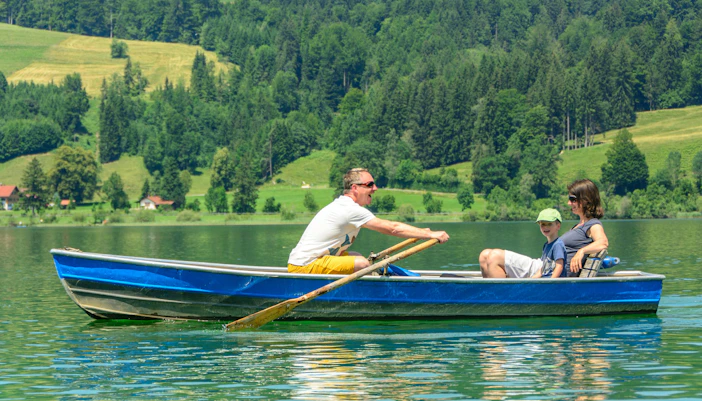
Alpsee rowboats and lakeside paddling
A calmer outdoor option, boat rental on Alpsee lets you trade crowds for open water and castle-country views from lake level. It’s especially appealing for couples or families who want movement without the effort of a steep trail.
- Distance: 20-min walk (≈1.6 km)
- Cost: From €10
- Highlight: Mornings are usually calmer on the water, and reflections are better before breezes build later in the day.
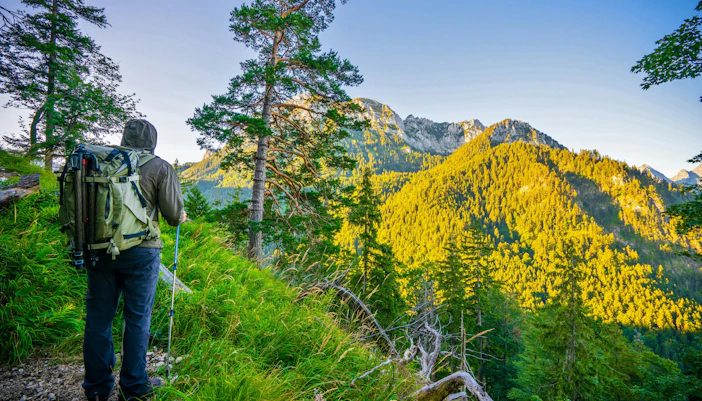
Hiking trails around Pöllat Gorge and Schwangau
The network around the castles ranges from short scenic connectors to longer hill and lake walks, giving active travelers a way to stretch the visit beyond one timed tour. The terrain is rewarding, but some paths are steep.
- Distance: 5-min walk (≈400 m)
- Cost: Free
- Highlight: Wear proper shoes; paved sections can still be slick, and the steepest grades feel harder on the return.
Nightlife & evening activities near Neuschwanstein Castle
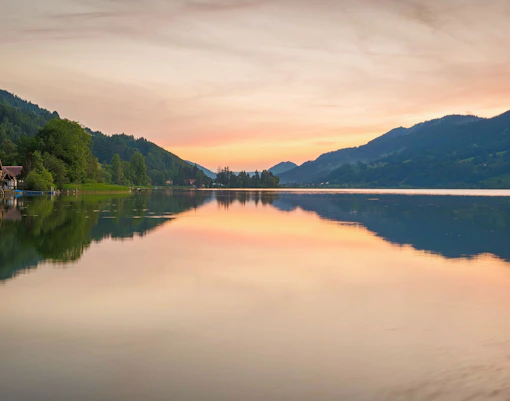
Alpsee at sunset
As tour buses thin out, Alpsee becomes one of the area’s most atmospheric evening stops, with still water, soft mountain light, and a much calmer mood than the castle approach path. It’s simple, free, and genuinely restorative.
- Distance: 18-min walk (≈1.3 km)
- Cost: Free
- Highlight: Go 30–45 minutes before sunset; once the light drops, the mountains lose detail quickly.
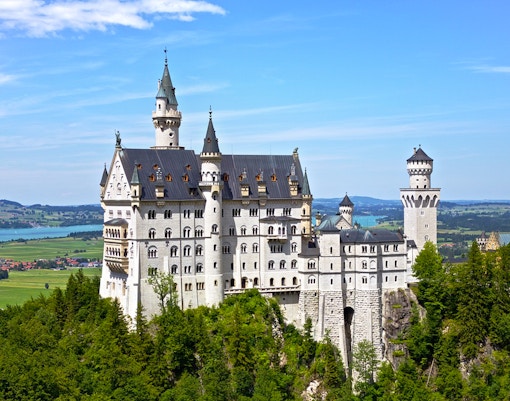
Marienbrücke in late afternoon
This isn’t a nightlife venue, but it is the best after-peak-time viewpoint near the castle. The bridge feels far less frantic once the midday groups leave, and the softer light flatters the white limestone and forest backdrop.
- Distance: 15-min walk (≈1.0 km)
- Cost: Free
- Highlight: Try the bridge after 3:30pm rather than at noon, when photo-taking becomes a shuffle.
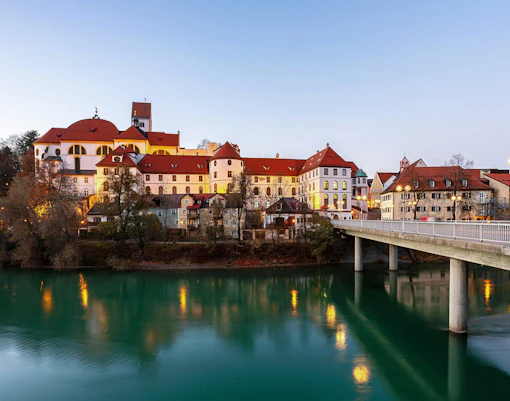
Füssen Old Town evening stroll
If you’re overnighting nearby, Füssen is where the day properly continues, with lit facades, casual wine bars, and a much stronger dinner scene than the castle base. It’s the best low-effort evening plan after a long sightseeing day.
- Distance: short ride
- Cost: Free
- Highlight: Most travelers head back to Munich; staying in Füssen is what gives you the area’s only real evening atmosphere.
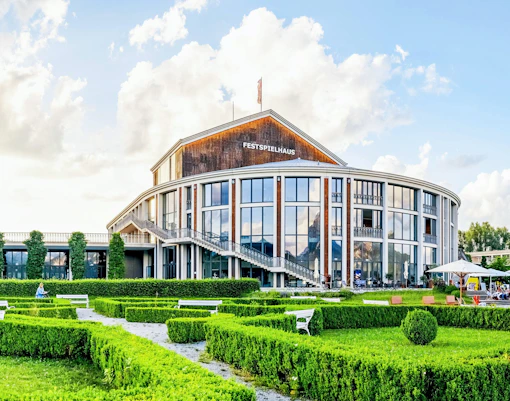
Ludwigs Festspielhaus
This lakeside theater near Füssen brings a more polished night out, with musical performances and a scenic waterfront setting that nods back to Ludwig II’s world. It’s the closest thing nearby to a deliberate evening activity rather than a simple stroll.
- Distance: short ride
- Cost: From €30
- Highlight: Check performance nights before you book a hotel; this is one of the best reasons to stay over instead of day-tripping.
Family-friendly experiences
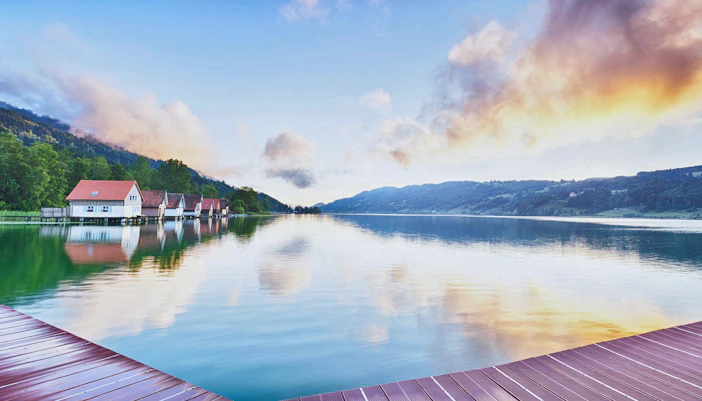
Alpsee lakeshore walk
Gentler terrain, open space, and easy lake views make Alpsee a practical family break after the castle crowds. It’s stroller-friendlier than the upper hill paths and gives children room to move without another formal timed attraction.
- Distance: 20-min walk (≈1.6 km)
- Cost: Free
- Tip: Bring snacks from Füssen or Munich; it’s one of the easiest picnic-style pauses in the immediate area.
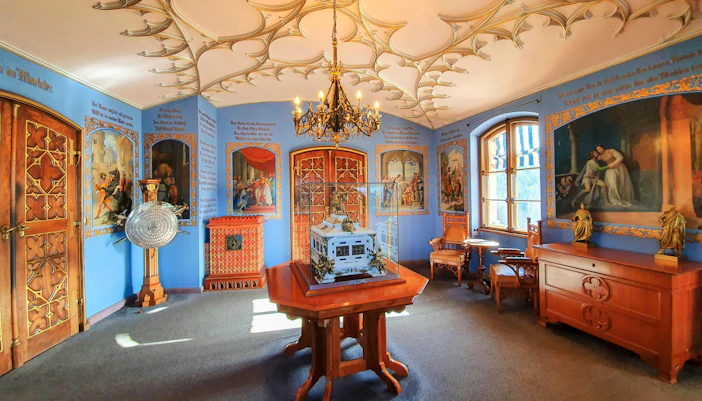
Hohenschwangau Castle
Because it’s smaller and more domestic in feel than Neuschwanstein, Hohenschwangau can be easier for older children to follow. The furnished rooms and family backstory give the visit a more grounded narrative than pure fantasy.
- Distance: 18-min walk (≈1.4 km)
- Cost: From €26
- Tip: Build in a buffer between castle entries; back-to-back tours can feel rushed with younger children.
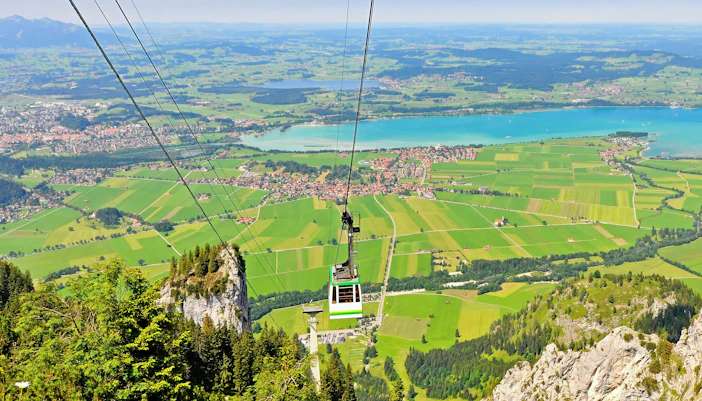
Tegelberg Cable Car
The cable car adds a memorable mountain element without demanding a full hike, making it a strong pick for families with older kids who want more than castle interiors. The scenery feels adventurous while still being logistically straightforward.
- Distance: 9-min drive
- Cost: From €28
- Tip: Check the weather before you go; low cloud can flatten the views and make the ride feel less worthwhile.
Shopping near Neuschwanstein Castle
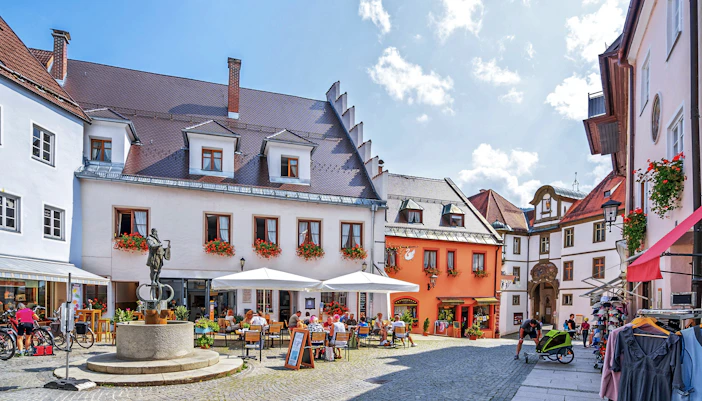
Reichenstraße, Füssen
Füssen’s main old-town street mixes local boutiques, bakeries, and gift shops in a far more atmospheric setting than the castle-base shops. It’s the best nearby place to browse if you want your shopping paired with architecture and café stops.
- Distance: short bus ride
- Cost: Browse free; items €5–60
- Highlight: Late afternoon works well here, when castle day-trippers are thinning and the old town is easier to enjoy.
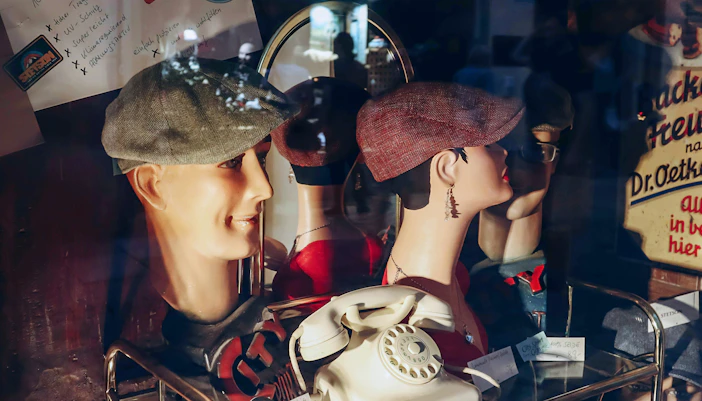
Füssen Old Town specialty shops
Scattered through the center, these smaller stores sell regional foods, crafts, and everyday goods rather than only castle merchandise. They suit travelers who prefer something local and useful over a generic snow globe or magnet.
- Distance: short bus ride
- Cost: Browse free; items €6–40
- Highlight: Look for Allgäu food products if you want lighter luggage and a more region-specific souvenir.
Castle and museum gift shops
The on-site shops around the castle visit and museum concentrate on books, prints, and royal-history gifts that tie directly to Ludwig II. They’re good for context-driven keepsakes, especially if you want something beyond generic fairytale branding.
- Distance: 2-min walk (≈150 m)
- Cost: Browse free; items €5–35
- Highlight: Buy prints or books here if you missed interior photos; they’re often the best way to remember the rooms.
How to plan your day near Neuschwanstein Castle
- Path: Neuschwanstein Castle Exterior → Marienbrücke (Mary's Bridge) → Pöllat Gorge Viewpoint → Quick Alpsee photo stop
- Steps & timing:
- Walk up to the Neuschwanstein Castle exterior courtyard and admire the fairy-tale architecture (30 min).
- Follow the path to Marienbrücke for the ultimate panoramic photo of the castle (20 min).
- Descend slightly to view the dramatic Pöllat Gorge and its rushing waterfall (15 min).
- Stroll down to the shores of Lake Alpsee for a quick lakeside view before departure (25 min).
- Walk up to the Neuschwanstein Castle exterior courtyard and admire the fairy-tale architecture (30 min).
- Alternative: If Marienbrücke is closed due to weather, take the shuttle bus up to the Jugend lookout point for an equally breathtaking elevation view.
- Path: Hohenschwangau Castle → Lake Alpsee Stroll → Neuschwanstein Castle → Museum of the Bavarian Kings
- Steps & timing:
- Tour Hohenschwangau Castle, the childhood home of King Ludwig II (60 min).
- Walk the pristine shoreline trail of Lake Alpsee (45 min).
- Take a guided tour inside Neuschwanstein Castle to see the Throne Hall and Singer’s Hall (35 min).
- Explore the nearby Museum of the Bavarian Kings to understand the royal history (60 min).
- Tour Hohenschwangau Castle, the childhood home of King Ludwig II (60 min).
- Alternative: Skip the Bavarian Kings Museum and rent a rowboat on Lake Alpsee for a peaceful, self-paced aquatic break instead.
- Path: Neuschwanstein Interior Tour → Marienbrücke → Tegelberg Cable Car → Lunch at Tegelberg Berghaus → Füssen Old Town
- Steps & timing:
- Begin with an early morning guided interior tour of Neuschwanstein Castle (35 min).
- Walk to Marienbrücke for standard photos, then catch the shuttle bus down the mountain (45 min).
- Drive or take a short bus ride to the Tegelberg Cable Car and ride to the summit (30 min).
- Enjoy a traditional Bavarian lunch at the Tegelberg Berghaus overlooking the Alps (75 min).
- Head into Füssen Old Town to explore St. Mang's Abbey and High Castle (2 hrs).
- Relax with a local beer or coffee at the Füssen Schrannenplatz (45 min).
- Begin with an early morning guided interior tour of Neuschwanstein Castle (35 min).
- Alternative: Swap the Tegelberg peak for a relaxing scenic boat cruise on Lake Forggensee if you prefer water views over mountain heights.
- Path: Alpsee Sunset Walk → Schlossrestaurant Neuschwanstein Dinner → Füssen Night Stroll
- Steps & timing:
- Catch the golden hour colors reflecting off Lake Alpsee against the mountain backdrop (45 min).
- Enjoy a hearty, traditional Alpine dinner at Schlossrestaurant Neuschwanstein right below the castle (90 min).
- Drive down into Füssen to see the illuminated historic facades and the Lech Fall waterfall lit at night (45 min).
- Catch the golden hour colors reflecting off Lake Alpsee against the mountain backdrop (45 min).
- Alternative: If the mountain restaurants are booked, secure an evening table at the historical Gasthof Krone in Füssen for an authentic medieval dining experience.
- Path: Horse-drawn carriage ride → Neuschwanstein Courtyard → Tegelberg Summer Toboggan Run → Ice cream break
- Steps & timing:
- Ride up the mountain in a traditional horse-drawn carriage to keep little legs rested (30 min).
- Explore the castle’s outer courtyard and let the kids feel like knights or princesses (30 min).
- Head over to the base of Tegelberg for the thrilling Summer Toboggan Run (Sommerrodelbahn) (60 min).
- Cool down with fresh gelato or ice cream at the Hohenschwangau village hub (30 min).
- Ride up the mountain in a traditional horse-drawn carriage to keep little legs rested (30 min).
- Alternative: Swap the toboggan run for the Walderlebniszentrum Ziegelwies (Forest Experience Center) just down the road, featuring an exciting treetop walkway.
- Path: Early morning Marienbrücke escape → Lake Alpsee private rowboat → Schloss Hohenschwangau gardens → Candlelight dinner
- Steps & timing:
- Beat the tourist rush with an early morning walk to Marienbrücke for a private couple's photo (30 min).
- Rent a private wooden rowboat on Lake Alpsee to drift beneath the gaze of both castles (60 min).
- Meander hand-in-hand through the secluded, romantic rose gardens of Hohenschwangau Castle (45 min).
- Conclude with an upscale, intimate lakeside dinner featuring fresh alpine trout at Alpenrose am See (90 min).
- Beat the tourist rush with an early morning walk to Marienbrücke for a private couple's photo (30 min).
- Alternative: Swap the rowboat for a couples' thermal spa evening at the nearby Königliche Kristall-Therme pool complex facing the illuminated castles.
Visitor information near Neuschwanstein Castle
To explore the area and find things to do near Neuschwanstein, take a train from Munich to Füssen station, then hop on regional bus 73 or 78 to Hohenschwangau village. Cars and bikes are barred from the immediate castle road. Instead, reach the castle from the village via a low-floor shuttle bus starting at parking lot P4, or take a traditional horse-drawn carriage from Hotel Müller. Keep in mind that both drop you off a 10- to 15-minute walk away from the entrance. Bike paths branch off the main route early on for cyclists.
All vehicles must park down in Hohenschwangau village, as direct driving to the castle is strictly prohibited. There are four official lots (P1 to P4). Daily flat-rate parking fees across the lots cost €12.00 for cars (up to 6 hours, then €1.00 per additional hour), €5.00 for motorbikes, and €16.00 for campers and mobile homes (allowed exclusively in lot P2). Note that spaces cannot be reserved in advance, so early arrival is highly recommended during peak seasons. EV charging stations are available in the regional vicinity.
- Restrooms: Public restrooms are available in Hohenschwangau village near the ticket center, at the kiosk across from Zimmermannplatz, and on Level 2 inside the castle's café area.
- ATMs & Cash: Cash machines are accessible within the resort village.
- Luggage & Lockers: Small lockers are provided at the ticket center. Heavy luggage and large backpacks are forbidden inside the castle.
- Food & Drinks: You can find restaurants in the village and a quick-service kiosk and café near the castle courtyard.
- Wheelchair Access: Neuschwanstein Castle is partially accessible via a compact internal elevator (0.85m wide, 1.30m deep). You must book this service well in advance, as safety regulations restrict access to only one wheelchair or walker user per hour.
- Step-Free Routes: Paths from the village to the castle are paved but have steep gradients of up to 19%. The low-floor shuttle bus is ramp-equipped, while horse carriages require independent boarding.
- Restrooms: Standard barrier-free, accessible restrooms are located on Level 2 inside the castle café and at the Museum of the Bavarian Kings.
- Service Animals: Certified medical service animals are permitted inside the castle grounds.
- Additional Notes: Audio guides are available in multiple languages. There are no on-site wheelchair rentals, so visitors must bring their own equipment.
Visitor tips
- Build your day around the timed entry, not the train schedule: Neuschwanstein’s interior tour is short, but the uphill route, bridge queue, and ticket collection can eat time fast. If you’re arriving from Munich, keep a generous buffer before your slot.
- Marienbrücke is best after the lunch rush: Most day tours hit the bridge in the middle of the day. If your schedule allows, go before 10:30am or after 3:30pm for a far less cramped photo stop.
- If you want a hotel near Neuschwanstein, choose by evening style: Hohenschwangau is most convenient, Schwangau is quieter, and Füssen is the best overnight base if you want restaurants, late arrivals, and a proper town atmosphere.
- Don’t assume parking equals proximity: You can park in the village, but not at the castle entrance. Even drivers should expect uphill walking, or extra wait time for the shuttle bus or horse carriage.
- Use Hohenschwangau or the museum to add context: Neuschwanstein’s tour moves quickly. If you care about Ludwig II, pair it with Hohenschwangau Castle or the Museum of the Bavarian Kings rather than expecting the main tour to do all the storytelling.
- Pack for mountain shifts, not Munich weather: The castle area can feel cooler, windier, and wetter than the city. A light waterproof layer matters more here than an extra city-sightseeing outfit.
Frequently asked questions about things to do near Neuschwanstein Castle
The area is beautiful but features steep, uphill terrain. Walking from the ticket center to the castle takes about thirty to forty minutes. Alternatively, you can catch a convenient shuttle bus or a scenic horse-drawn carriage.
Marienbrücke offers the most iconic, postcard-perfect view of the castle over the gorge. For unique perspectives, ride the Tegelberg cable car or capture the castle nestled in the mountains from the green valley fields below.
You can stroll around the pristine shores of Alpsee, hike the surrounding Alpine trails, and cross Marienbrücke for stunning views. Exploring the castle grounds and taking photos from the outside costs absolutely nothing at all.
Right by the castle, Café Schloss Restaurant Neuschwanstein offers convenient local bites. Down in Hohenschwangau village, you will find options like Restaurant Alpenrose am See, which serves hearty Bavarian dishes alongside beautiful panoramic lake views.
Families love the thrilling Tegelberg summer toboggan run nearby. Kids will also enjoy riding the traditional horse-drawn carriages up the hill, throwing stones into the crystal-clear Alpsee, or exploring the fascinating Museum of the Bavarian Kings.
If the weather turns, head inside the nearby Museum of the Bavarian Kings or tour Hohenschwangau Castle. Alternatively, you can relax in the warm thermal waters of the Royal Crystal Spa in neighboring Schwangau village.
You cannot bring large bags inside the castle. Convenient luggage lockers are available at the Hohenschwangau official ticket center and the Füssen train station, allowing you to explore the gorgeous surrounding alpine trails completely hands-free.
Take the train to Füssen station, which is the closest rail hub. From there, hop on local bus 73 or 78, which drops you off directly at the Hohenschwangau village ticket center below the castle.
Leashed dogs are welcome on the outdoor hiking trails and around Alpsee, but they are strictly prohibited inside Neuschwanstein Castle itself. Keep this in mind if you plan to book an indoor guided castle tour.
The shores of Alpsee provide an idyllic, tranquil setting for a relaxing outdoor lunch. Find a spot along the alpine water, enjoy the fresh mountain air, and admire the reflection of the beautiful Bavarian peaks.