.svg?auto=compress%2Cformat&w=156&h=48&q=90&crop=faces&fit=crop)
- Hellabrunn Zoo was designed around the geo-zoo concept, grouping animals according to their geographic origins rather than placing species in traditional rows of enclosures.
- Opened in 1911, it was one of the first zoos to adopt this approach. The layout lets visitors move between regions and ecosystems while seeing animals in more naturalistic surroundings.
- Today, the concept remains central to the zoo's identity, giving the visit a sense of traveling across continents without leaving Munich.
The Hellabrunn Zoo guide: Munich's first geozoo
Crafted by Headout, a global experiences brand offering curated tours, tickets & experiences. Discover with ease, book with peace.Loved by over 56 million guests worldwide
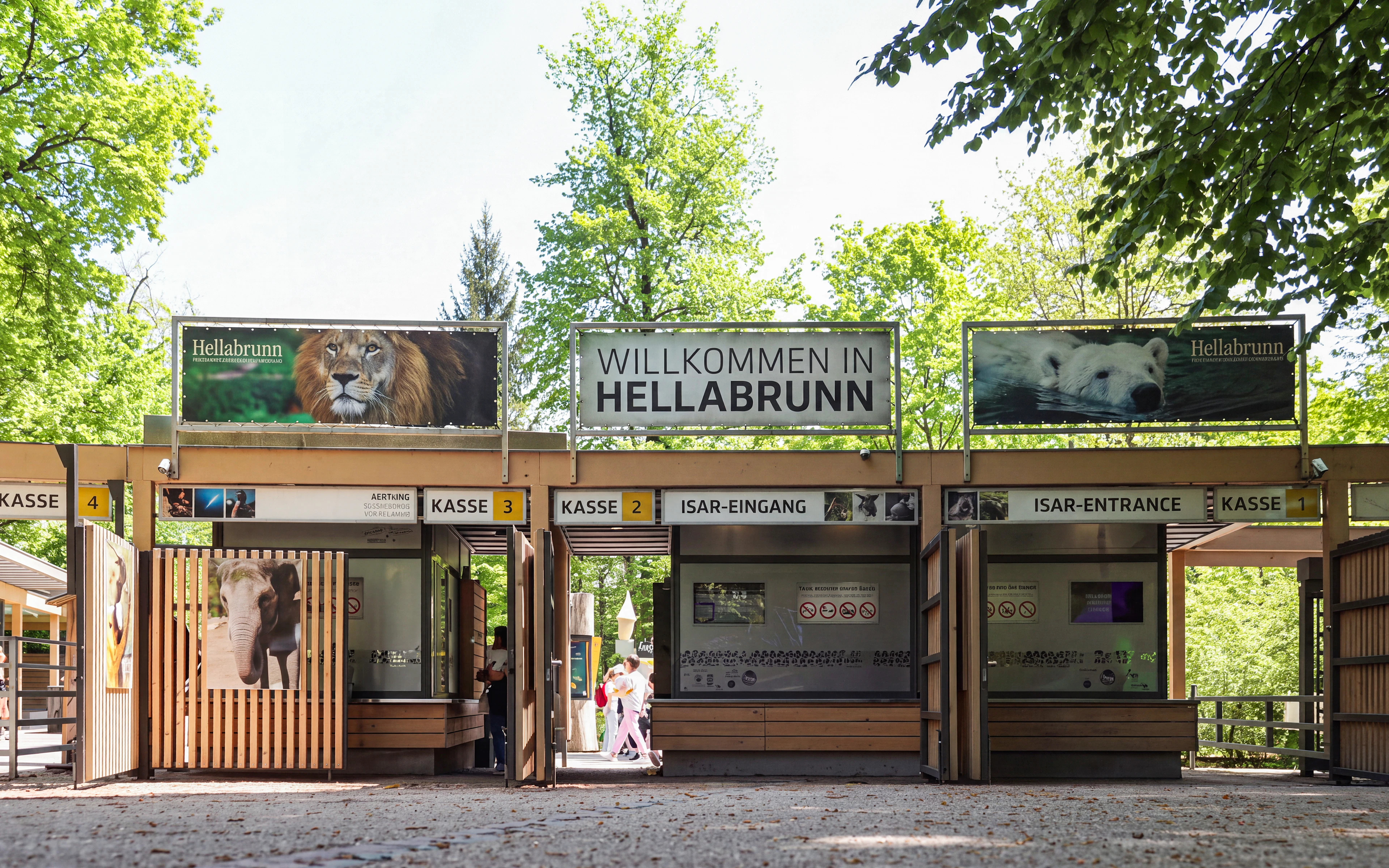
Quick information
- Address: Tierparkstraße 30, 81543 Munich, Germany
- Recommended Duration: 3 to 4 hours
- Timings: 9am to 6pm (April to September); 9am to 5pm (October to March)
- Visitors Per Year: Around 2.5 million annually
- Expected Wait (Standard): Usually under 30 minutes
Is Hellabrunn Zoo worth visiting?
- Hellabrunn feels less like a traditional zoo and more like a green escape from Munich. Paths wind through leafy habitats, with the sounds of birds, running water, and animals replacing the city's traffic.
- Opened in 1911, it was designed as a “geo-zoo,” grouping animals according to their geographic regions rather than placing species in conventional rows of enclosures. That idea still shapes the experience today.
- The emotional payoff is the sense of moving between continents in a single afternoon. You can go from watching elephants to spotting polar bears, then wander through spacious, natural-looking habitats without feeling rushed. It is especially rewarding for families and anyone who enjoys wildlife at a slower pace.
- Skip it if: you have less than 2 hours or prefer compact, landmark-focused sightseeing over a leisurely outdoor experience.
Why visit Hellabrunn Zoo?
1/7
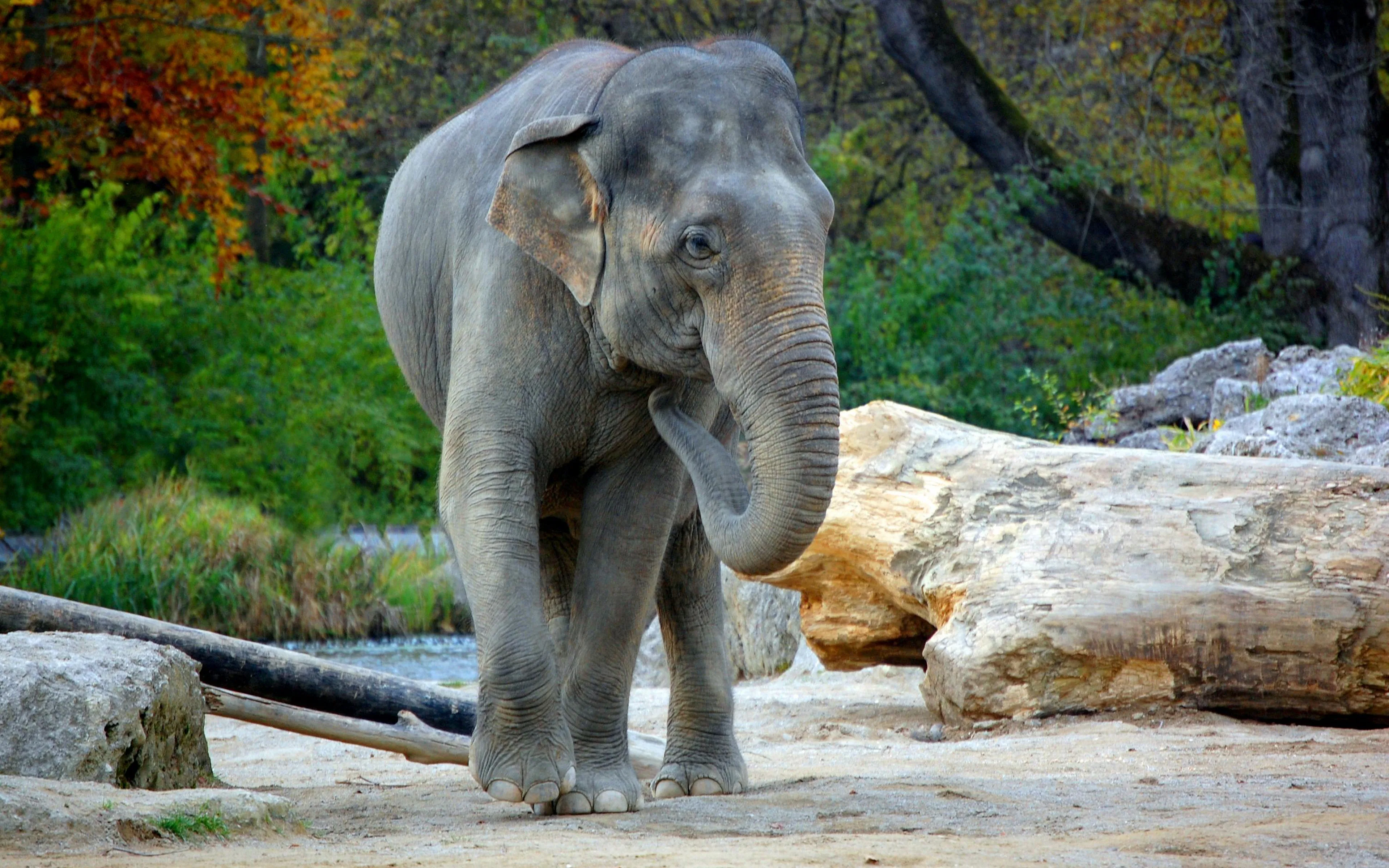
Elephant House & African Savanna
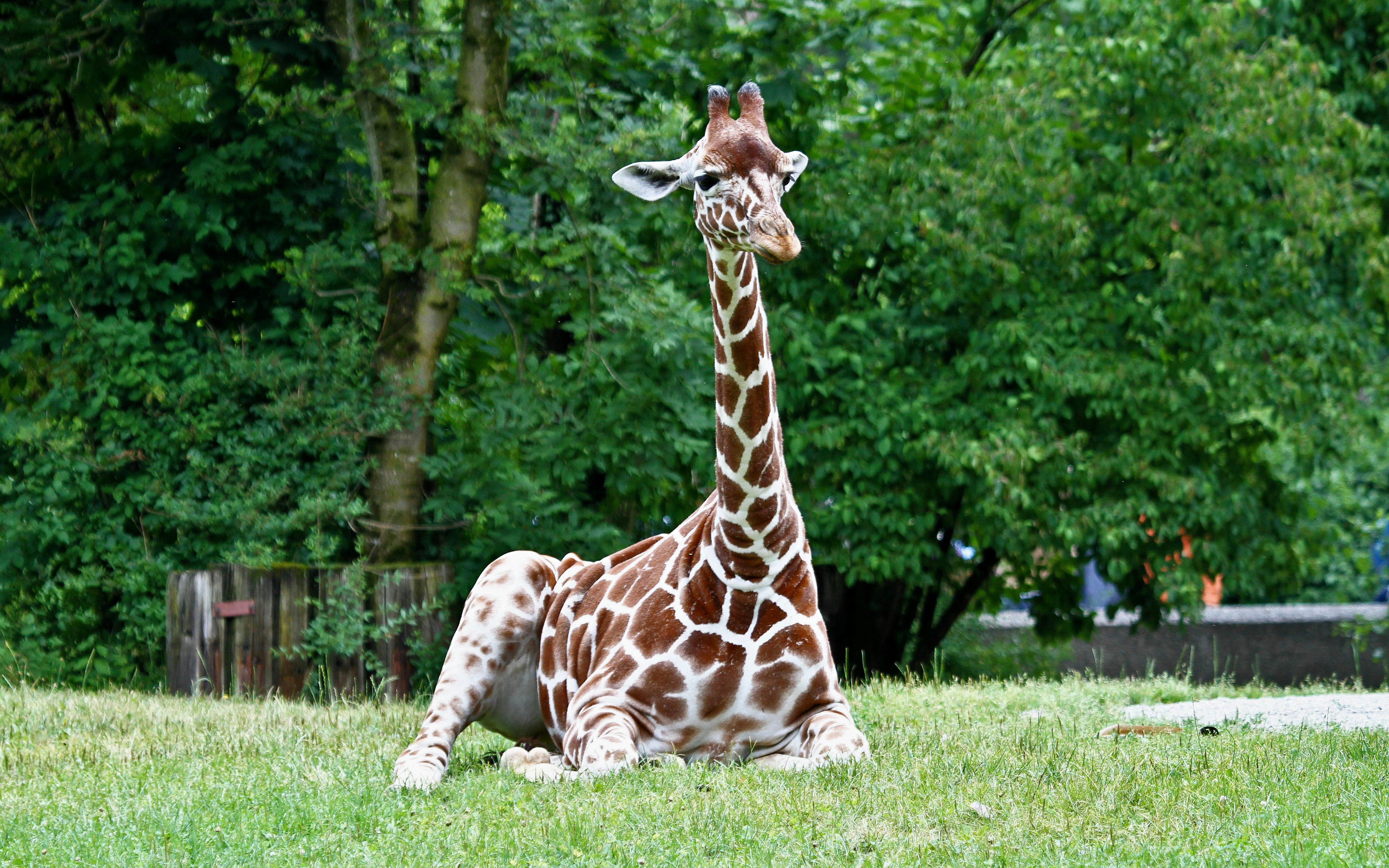
See African elephants in a spacious habitat, alongside giraffes, zebras, and other savanna species. The area gives you a close look at some of the zoo's largest residents.
Polar World
Head to the Arctic-themed area for polar bears and other cold-climate species. Watch the bears swim and move through their spacious outdoor habitat, especially around feeding times.
Jungle House
Step into a warmer, more humid environment filled with tropical species. Expect dense greenery, primates, and reptiles that make this indoor area a welcome change on cooler days.
Monkey House
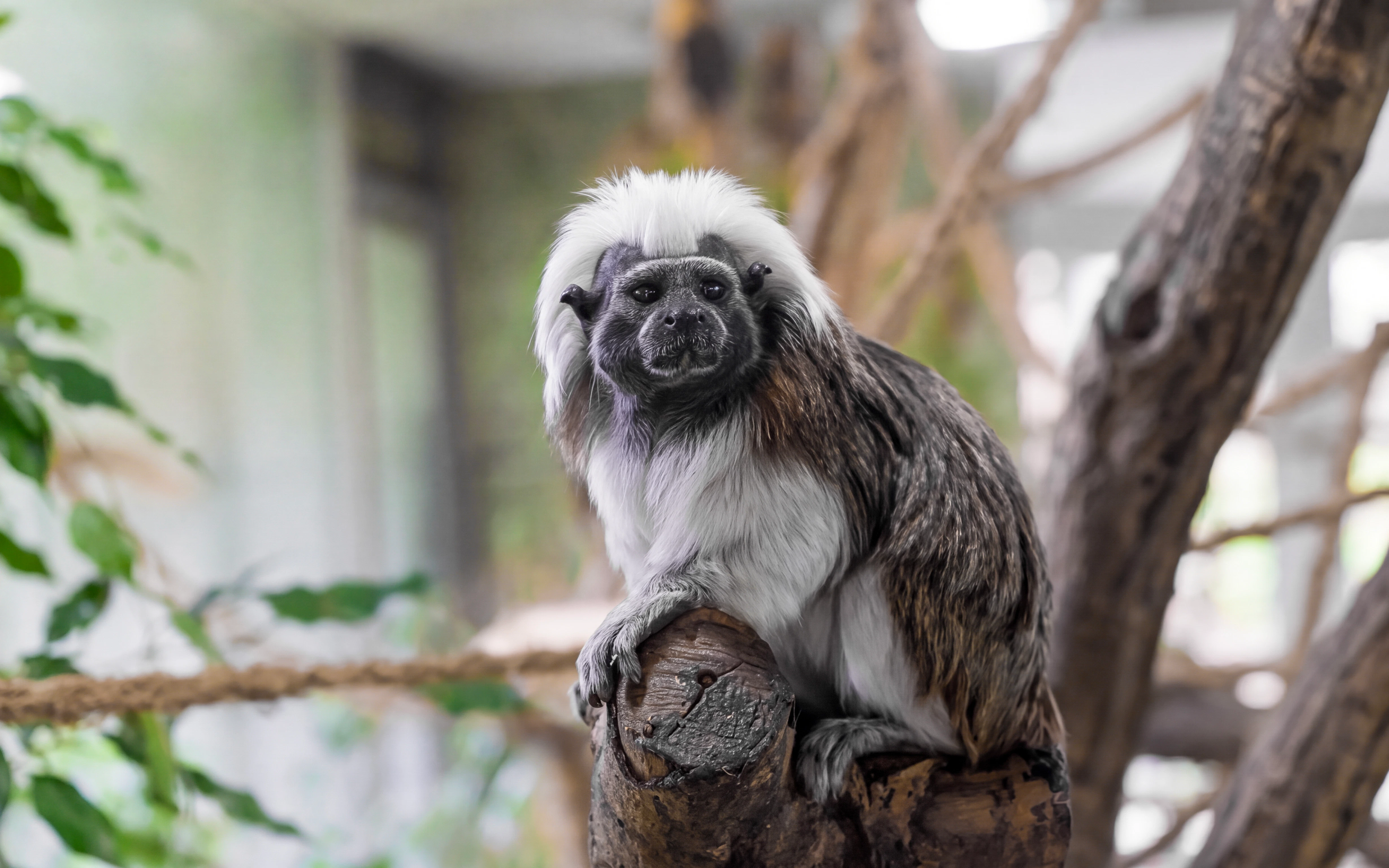
Meet a range of primates in habitats designed around their natural behaviors. Look for active climbing, swinging, and social interactions rather than simply viewing animals behind traditional barriers.
Rhino House
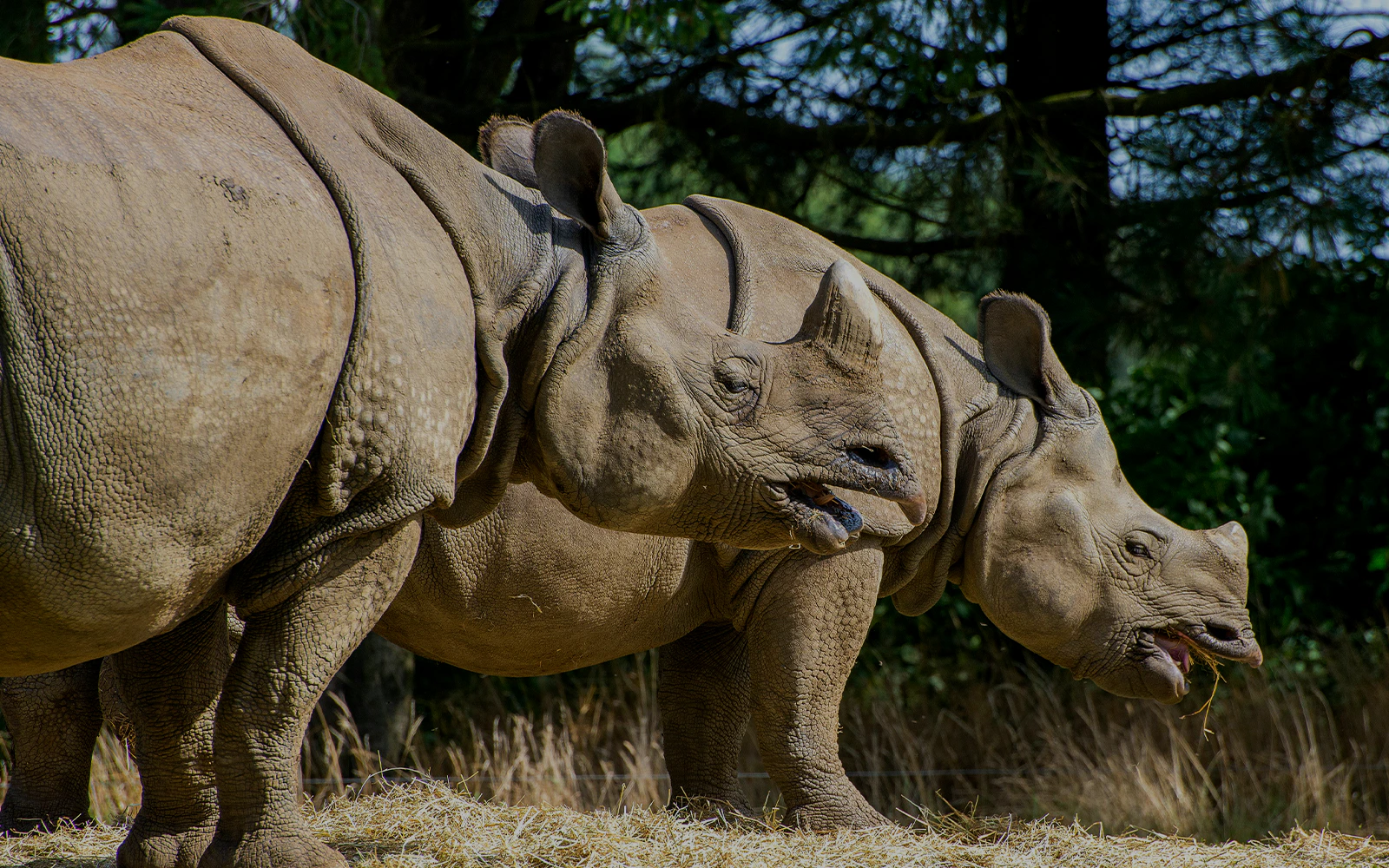
See greater one-horned rhinoceroses up close in an environment designed to reflect their natural surroundings. Their size and slow, deliberate movements make this a memorable stop.
Flamingo Lagoon
Pause beside the water to watch flamingos gather, wade, and feed. The open setting makes this one of the zoo's more relaxing stops and a good place for photographs.
Children's Zoo
A family-friendly area where younger visitors can encounter smaller domestic and farm animals. It offers a more interactive experience than the larger wildlife habitats elsewhere in the zoo.
How to explore Hellabrunn Zoo
- How much time to spend? Budget 3–4 hours for a full visit, especially with children, feeding times, or a meal break. If you're short on time, allow at least 2 hours for the main animal habitats and a few highlights.
- Best visit order: Enter and start with the Elephant House and African Savanna, then continue toward Polar World and the Jungle House. Finish with the Monkey House, Rhino House, and Flamingo Lagoon. This route gives you a good mix of major animals, indoor spaces, and outdoor habitats.
- Must-see highlights: Must-see: African elephants, polar bears, the Jungle House, and the primate habitats. Optional: the Children's Zoo and Flamingo Lagoon if you're visiting with young children or have extra time.
- Worth adding nearby: Flaucher, a riverside recreation area along the Isar, is about a 10-minute walk from the zoo and makes an easy post-zoo stop. Allow another 30–60 minutes for a relaxed riverside stroll.
- Guided or self-paced? Self-paced works best for most visitors. Hellabrunn is spread across a large, landscaped area, and wandering between habitats lets you set your own pace and stop wherever animals are active. A guided experience is more worthwhile for visitors who want deeper insight into animal behavior, conservation, and the zoo's geo-zoo concept.
What to see at Hellabrunn Zoo?
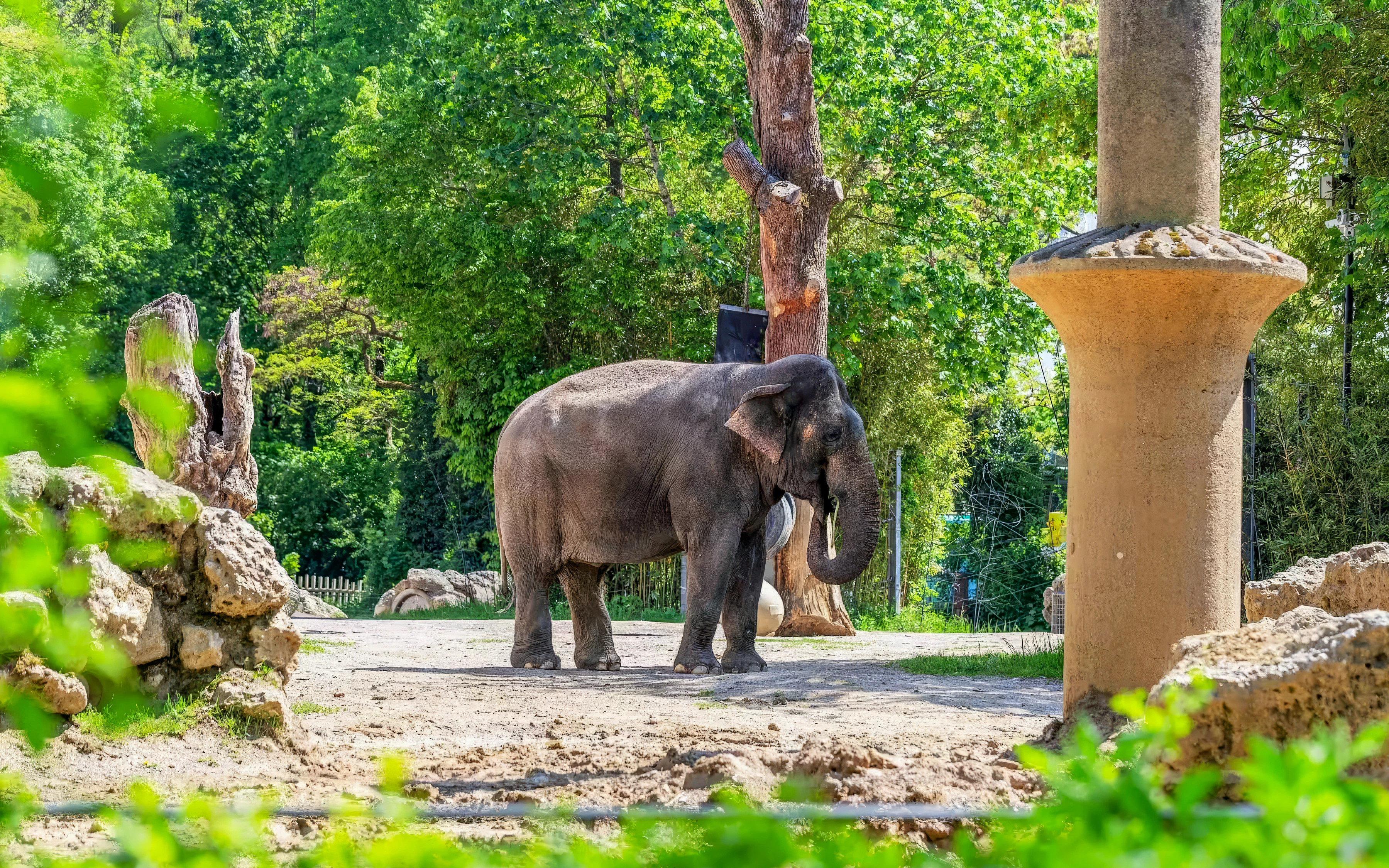
African Elephants
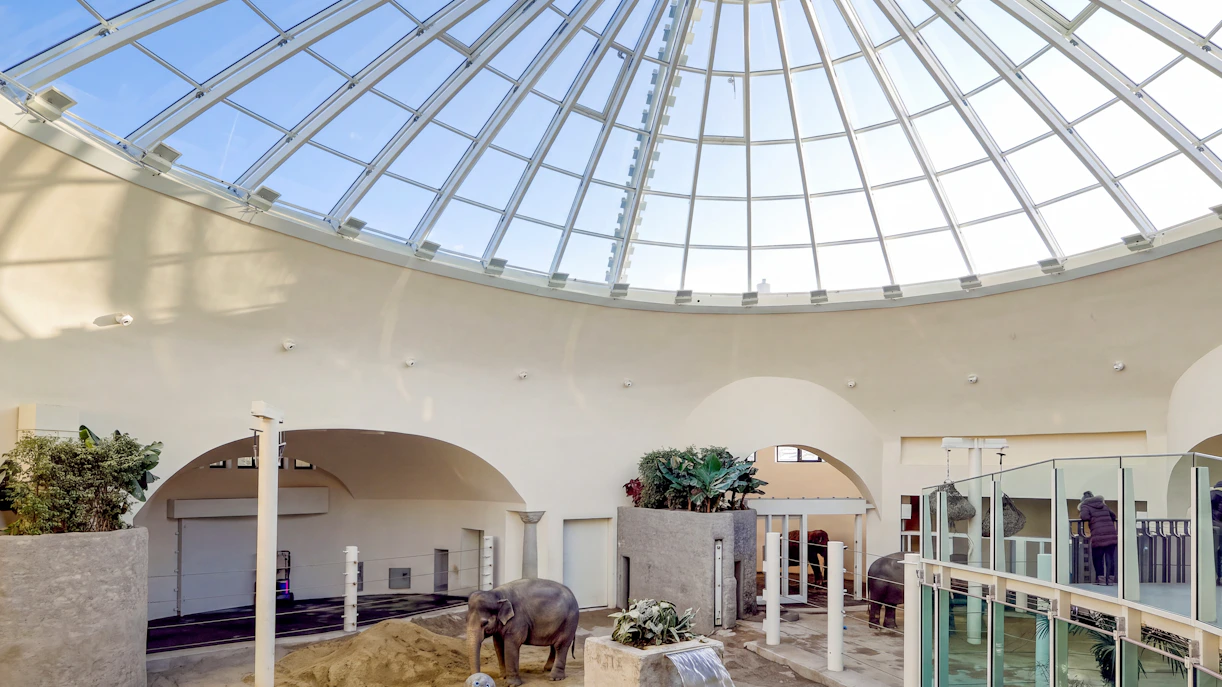
Get close to Hellabrunn’s African elephants as they roam their spacious habitat. Their size, social behavior, and distinctive trunks make them one of the zoo’s biggest draws.
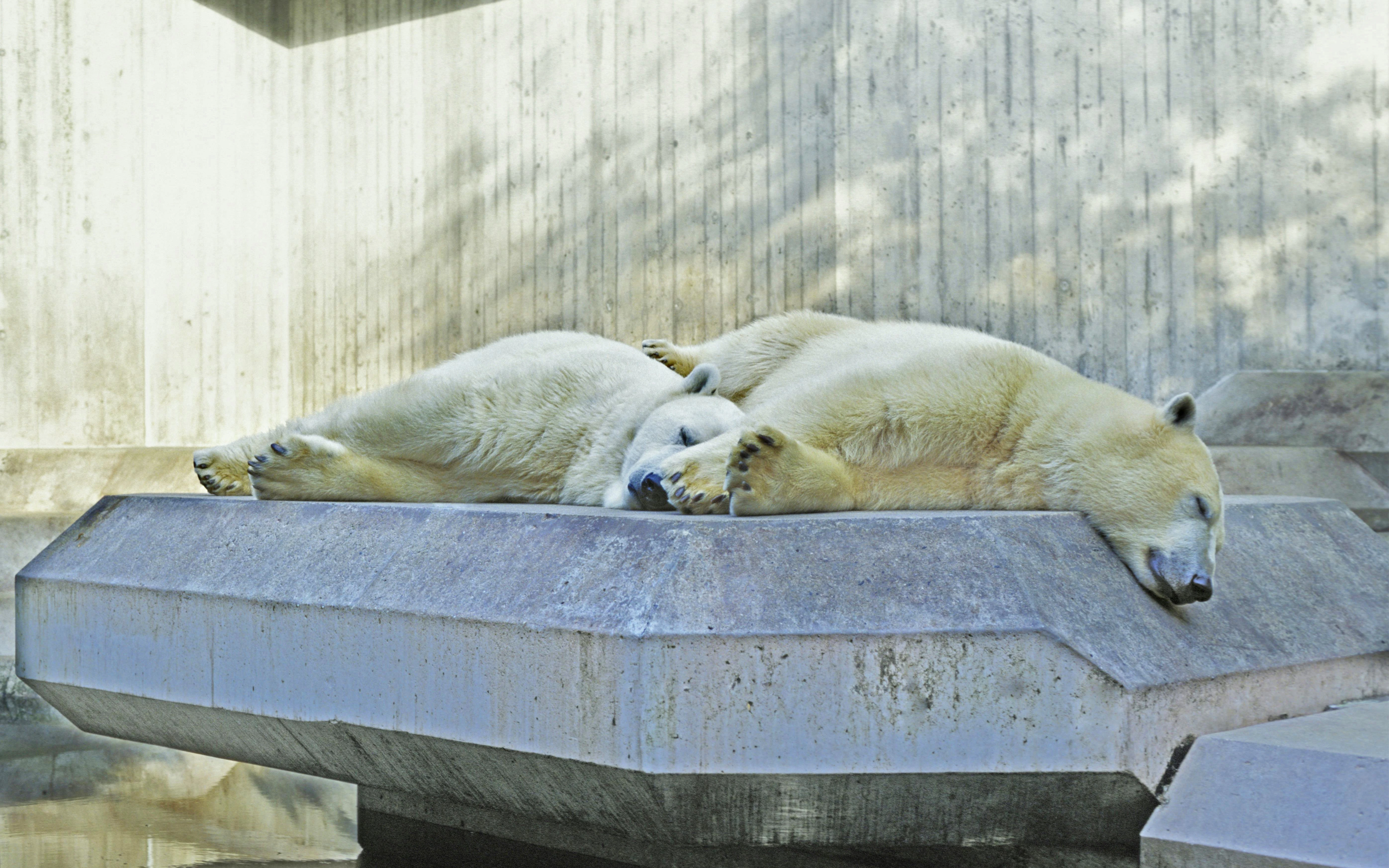
Hellabrunn Zoo's geo-zoo concept
Frequently asked questions about Hellabrunn Zoo
Yes, visitors can bring their own food and drinks. This makes it easier to plan a longer visit, especially for families. Check the zoo's [visitor information] for current dining and picnic rules.
No, dogs and other pets are generally not permitted inside the zoo. Assistance dogs may be subject to separate access rules.
Most of the zoo's main paths and visitor areas are accessible, although some routes may have uneven surfaces or slopes. Check the [accessibility information] before visiting to plan your route.
Yes, strollers can be useful for families, although the zoo covers a large landscaped area with some uneven or sloped paths. Plan extra time if you're visiting with young children.
Yes, Hellabrunn Zoo has cafés and food outlets where you can stop for refreshments during your visit. Bringing your own snacks can also be convenient if you're planning several hours at the zoo.
Yes, visitors can generally take photographs for personal use. Avoid using flash around animals, and follow any photography restrictions displayed in individual habitats or visitor areas during your visit.
Yes, baby-changing facilities are available for families. The zoo is designed for longer visits, so parents can plan breaks between animal areas rather than needing to leave the grounds.
Re-entry depends on the ticket conditions in effect on the day of your visit.
Yes, lockers are available for visitors who want to store smaller personal belongings during their visit. Availability and any applicable charges can vary, so check the visitor information on arrival
The zoo offers scheduled feeding sessions and animal presentations on selected days. Times can vary, so check the daily schedule before your visit to plan around the experiences you want to see.
